Most riders shop for a windshield the same way: if the wind is hitting me, I need a taller one. Then they install a taller shield, take it out on the interstate, and find their helmet shaking harder than before. That isn't bad luck. It's just aerodynamics. A windshield that blocks the wind and a windshield that manages the wind do two very different things, and understanding the difference is the key to a quieter, less turbulent, more stable ride.
This guide explains what "air management" means, why buffeting happens, and which parts of a windshield's shape actually control the air around you.
What Air Management on a Motorcycle Means
Air management is the practice of controlling where the air goes as it flows over and around a motorcycle and its rider. A windshield, fairing, lowers and even the rider's body all shape that flow. Good air management moves air smoothly past the cockpit. Poor air management lets it break up into turbulence that reaches your helmet, chest and passenger.
Wind blocking is the opposite approach. It puts a barrier in front of the rider and hopes the air goes somewhere else. The problem is that air always goes somewhere, and where it goes after it leaves the edge of that barrier is what decides how your ride feels.
What Is the Bobblehead Effect, and Why Does It Happen?
The bobblehead effect is the rapid side to side and up and down shaking of a rider's helmet at speed. It's one of the most common complaints from touring riders, and it's caused by turbulence, not by wind pressure alone.
Here's what happens: As air hits a flat windshield, it speeds up and spills over the top edge. Behind the shield, a low-pressure pocket of turbulent 'dirty air' forms. The surrounding higher pressure air rushes in to fill that pocket, and it doesn't do it smoothly. It rolls and tumbles in swirling vortices that break off the top and sides of the shield. When your helmet sits in that tumbling wake, it gets pushed in one direction and then another, many times a second. That's the shaking you feel and the roar you hear.
That's also why a taller flat windshield can make things worse. Raising the top edge can move the rough wake from your chest straight up to helmet height, right where it does the most damage.

Clean Air vs. Dirty Air
Riders and racers talk about "clean air" and "dirty air". Clean air flows in smooth, steady layers while dirty air is the broken, turbulent airflow left behind an object. A small change in seat height, riding posture or windshield height can move your helmet from one zone to another. That's why two riders on the same bike can have completely different experiences with the same windshield, and why fit matters as much as design.
Lift, Downforce and Front End Stability
Air doesn't only affect comfort. It also affects handling. When air isn't managed correctly and left to catch in all the wrong spots on a fairing, it can create lift on the front of the motorcycle. Lift reduces the load on the front tire, and riders feel it as a lighter or wandering front end at highway speed, in gusty crosswinds or in the wash of a passing semi.
The opposite force is downforce. Our tested and patented Flare® Windshield is shaped to route the air so it presses down on the front of the bike instead of lifting it, the front end feels more planted and predictable. On a heavy touring motorcycle with a large fork mounted fairing, that difference can be the line between a relaxed ride and a tiring one.
Why Does Wind Noise Get So Loud?
Much of the noise riders blame on the wind is actually turbulence hitting the helmet. Smooth airflow is relatively quiet. Tumbling, pulsing air beating against a helmet shell is loud. Reduce the turbulence at helmet level and the noise drops with it, which is also why riders often notice their audio is easier to hear after they fix their airflow. For a more in-depth understanding, read How to Reduce Wind Noise and Buffeting on Your Motorcycle.
 The Design: What Parts of a Windshield Shape Actually Control the Air?
The top edge: A flat top edge lets air spill off and tumble back toward the rider creating a turbulent pocket of dirty air.
The side edges: Air also spills around the sides of a windshield and right back behind the windshield where the rider sits, which is why riders report turbulent or buffeting air experience.
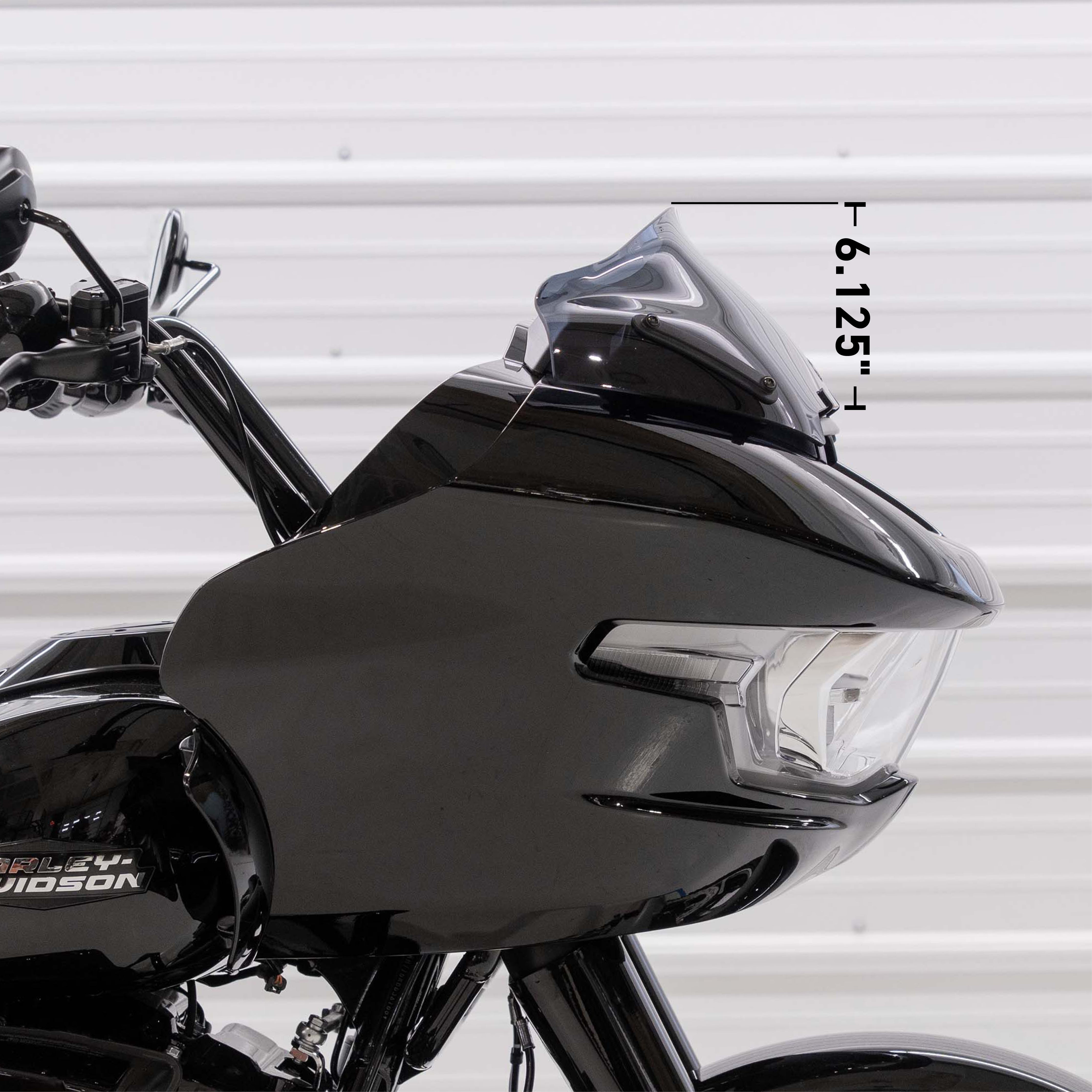
Height: Height sets where the air lands. Too short and wind blast hits your chest and helmet directly. Too tall and the rough wake can land at helmet height, plus you end up looking through the shield instead of over it. Read How Motorcycle Windshield Height Affects Rider Comfort for more.
Angle and fit. The rake of the windshield and how closely it fits the fairing change how air meets it. Gaps and poor fit create extra turbulence.

The Flare® Windshield Solution: Tested and Patented Air Management
1. The Flip
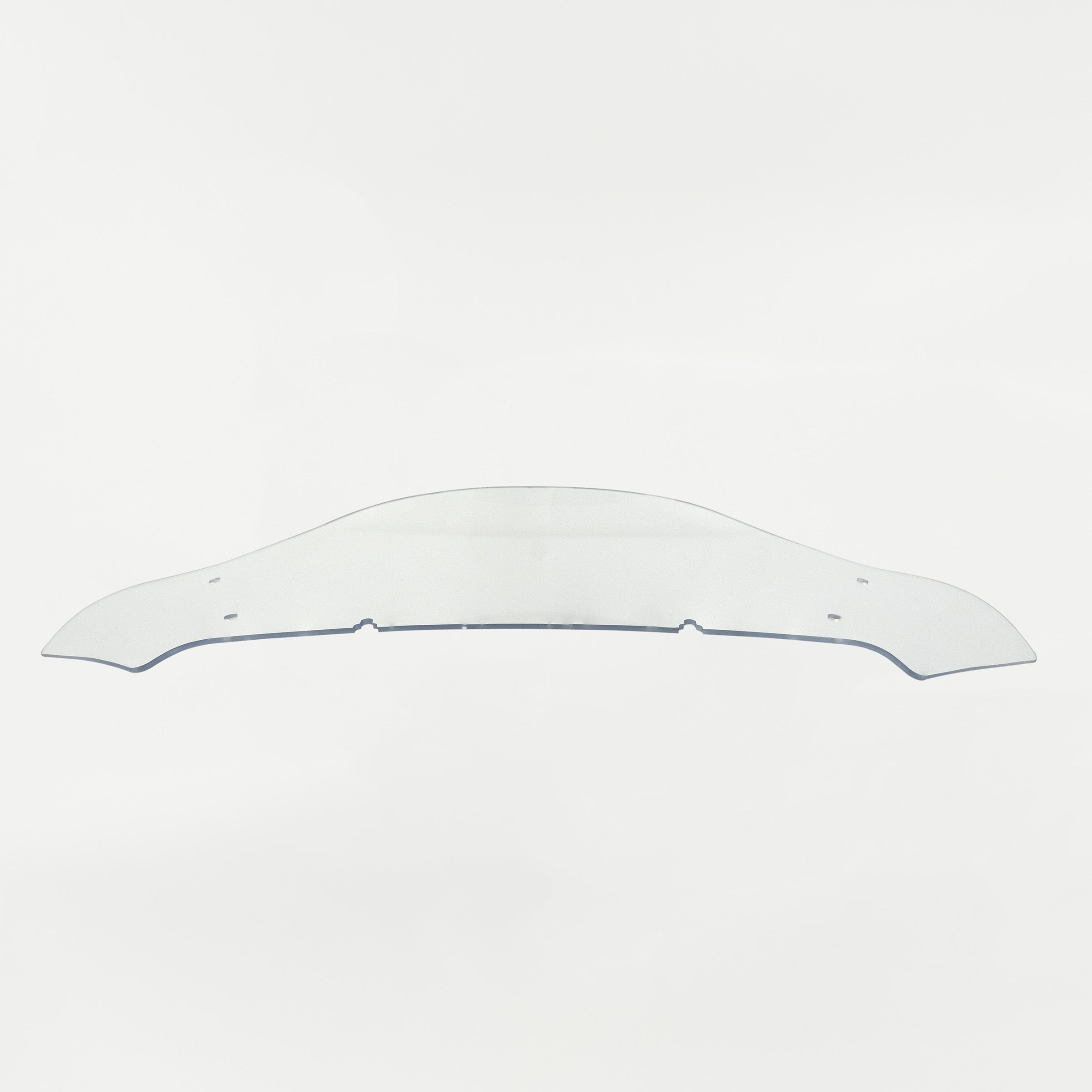
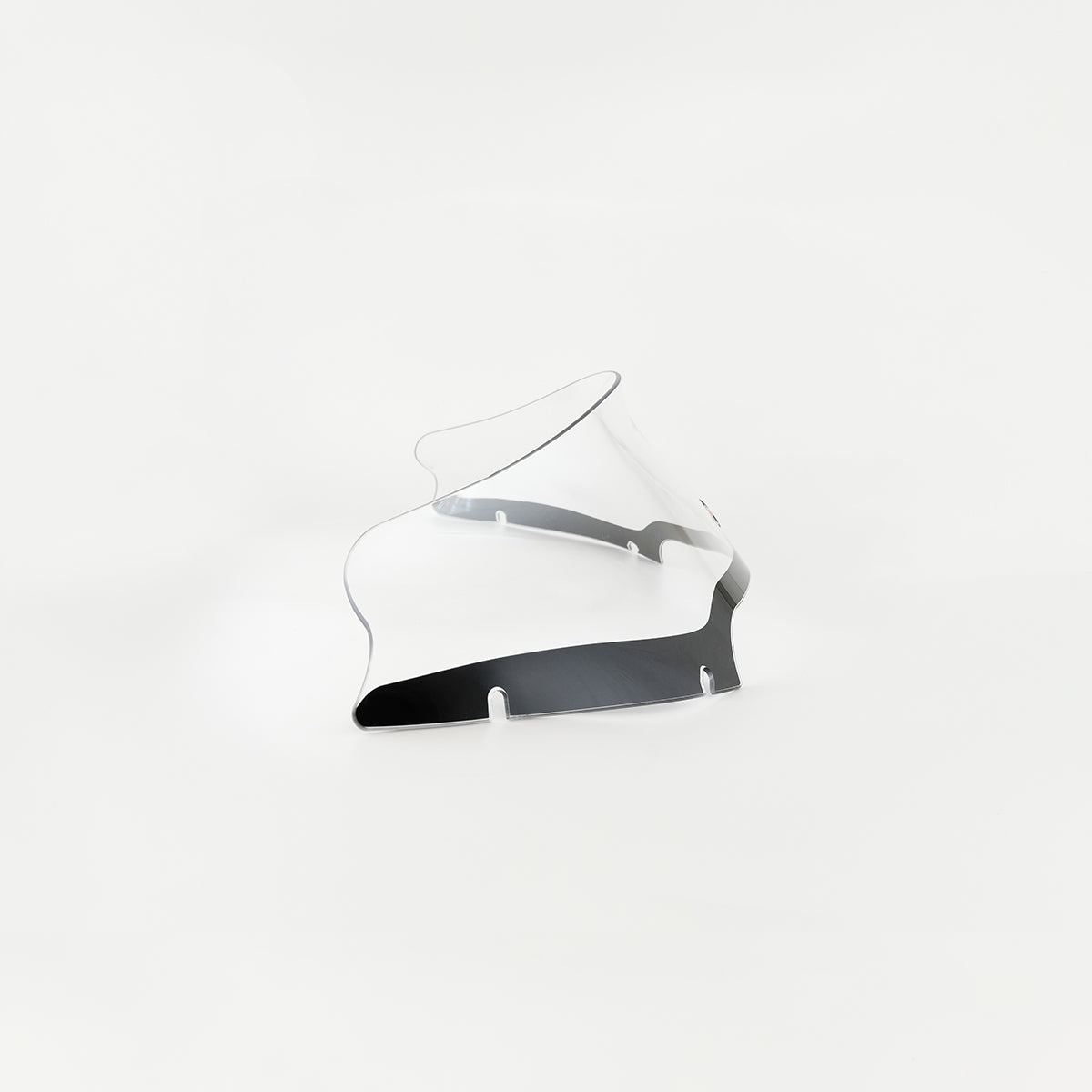
At the top of the Flare® Windshield, you'll find the flip, a critical design feature that plays a huge role in air management. The flip redirects air up and over the rider, rather than letting it hit directly on the helmet. This is the key to reducing the turbulence that creates discomfort. In essence, the flip helps create a more stable environment, by lifting the air and preventing it from pushing directly onto the rider's head.
The result is smoother airflow over the rider, which means less buffeting and a quieter ride. With less wind pushing against your face and helmet, you’ll experience a ride that’s less fatiguing, making it easier to stay focused on the road.

2. The Hips
The hips on the sides of the Flare® Windshield are another innovation that sets it apart. These built-in curves channel airflow around the rider. Instead of allowing wind to hit your shoulders and cause instability, the hips redirect the air smoothly away from you, creating a buffer that maintains a more comfortable ride. The air is sent into a pattern that reduces turbulence, helping to eliminate those jolts and gusts that can cause discomfort.
3. Downforce
The real magic happens when the flip at the top works in tandem with the hips. The design creates a natural downforce, much like the spoilers you see on race cars. This downforce helps to keep the bike stable, particularly at high speeds or when dealing with crosswinds. This added stability keeps the front of the motorcycle planted firmly on the ground, improving handling and making your ride more controlled.
This is especially important when you’re traveling at high speeds or cruising down highways where crosswinds can create instability. The Flare® Windshield ensures the bike stays planted and responsive.
The Difference the Flare® Makes
So, how does the Flare® Windshield actually improve your ride? Let’s break it down.
1. Say Goodbye to Buffeting
Buffeting is the enemy. That constant, annoying wind blast to your helmet can cause neck strain, fatigue, and a whole lot of frustration. Stock windshields usually don’t do much to manage airflow, meaning the wind hits directly at your helmet. Competitor windshields might try to help, but many still fall short of addressing the core problem—turbulence.
The Flare® Windshield takes a different approach. With its hips on the sides and a flip at the top, the Flare® directs airflow smoothly around the rider instead of hitting them head-on. The flip at the top lifts the wind and sends it over your head, so you’re no longer fighting turbulence. The result? Less buffeting, less strain, and a much more comfortable ride.
2. Stability at High Speeds
Riding at high speeds means you need more than just wind protection, you need stability. Stock windshields typically don’t offer much in terms of downforce, leaving your bike feeling a little light or unstable when crosswinds hit. Competitor options might attempt to add some height or adjust the angle, but most don’t provide the full solution.
The Flare® Windshield features a strategic flip that creates downforce, helping to keep your bike more planted on the road. It’s like a spoiler on a race car channeling the wind so your bike stays stable and doesn’t wobble, even in challenging conditions. This gives you more confidence at high speeds and better control in crosswinds.

3. The Power of Aerodynamic Testing
This isn’t some guesswork. Klock Werks takes every product through rigorous testing to ensure it’s optimized for maximum performance. The Flare® Windshield has undergone extensive wind tunnel testing, tweaking every curve and angle for the best results. That means you’re getting cutting-edge design that’s been proven in real-world conditions.
In contrast, stock windshields rarely undergo the same level of testing. Most are designed with basic functionality in mind and nothing about them is engineered to provide the best aerodynamic performance. Competitor windshields might do better, but few invest the time or resources to truly test and refine their products in the same way Klock Werks does.
4. More Comfort for Longer Rides
Anyone who’s been on a long ride knows that wind turbulence can drain your energy. Stock windshields often leave you exposed to gusts and sudden shifts in air pressure, making for a tiring, uncomfortable experience. Competitor windshields may help to a degree, but they don’t always tackle the issue head-on in a way that maximizes comfort.
With the Flare® Windshield, you get a more consistent flow of air. The wind is redirected around you rather than at you, reducing the strain on your neck, shoulders, and back. The result? Less fatigue over long distances and a ride that’s more enjoyable from start to finish.
5. Versatility Across Models
The Flare® Windshield is designed for multiple bike models, whether you’re riding a Harley-Davidson or an Indian Motorcycle. It’s engineered to fit perfectly, not just as a generic piece of equipment but as a tailored solution that adapts to your specific ride.
Stock windshields are often one-size-fits-all, with limited options for different bike types or styles. Competitor windshields might offer a wider range of models, but they don’t always guarantee the same level of customization or performance as the Flare®.
How Do You Test Air Management?
You can feel turbulence on the road, but measuring it takes controlled testing. In a wind tunnel, engineers hold airspeed steady and measure the forces on the motorcycle, including lift and downforce on the front end, while changing one variable at a time. That's how a windshield shape can be compared against stock instead of relying on feel alone.
Klock Werks tested our Flare® Windshield design at the A2 Wind Tunnel in Mooresville, North Carolina. We found that a stock touring setup produced up to 30 pounds of lift at highway speed, and that its Flare® shape turned that into roughly 15 pounds of downforce. Read more about that testing in Why Klock Werks Are the Air Management Experts.
Putting the Science to Work: The Flare® Windshield
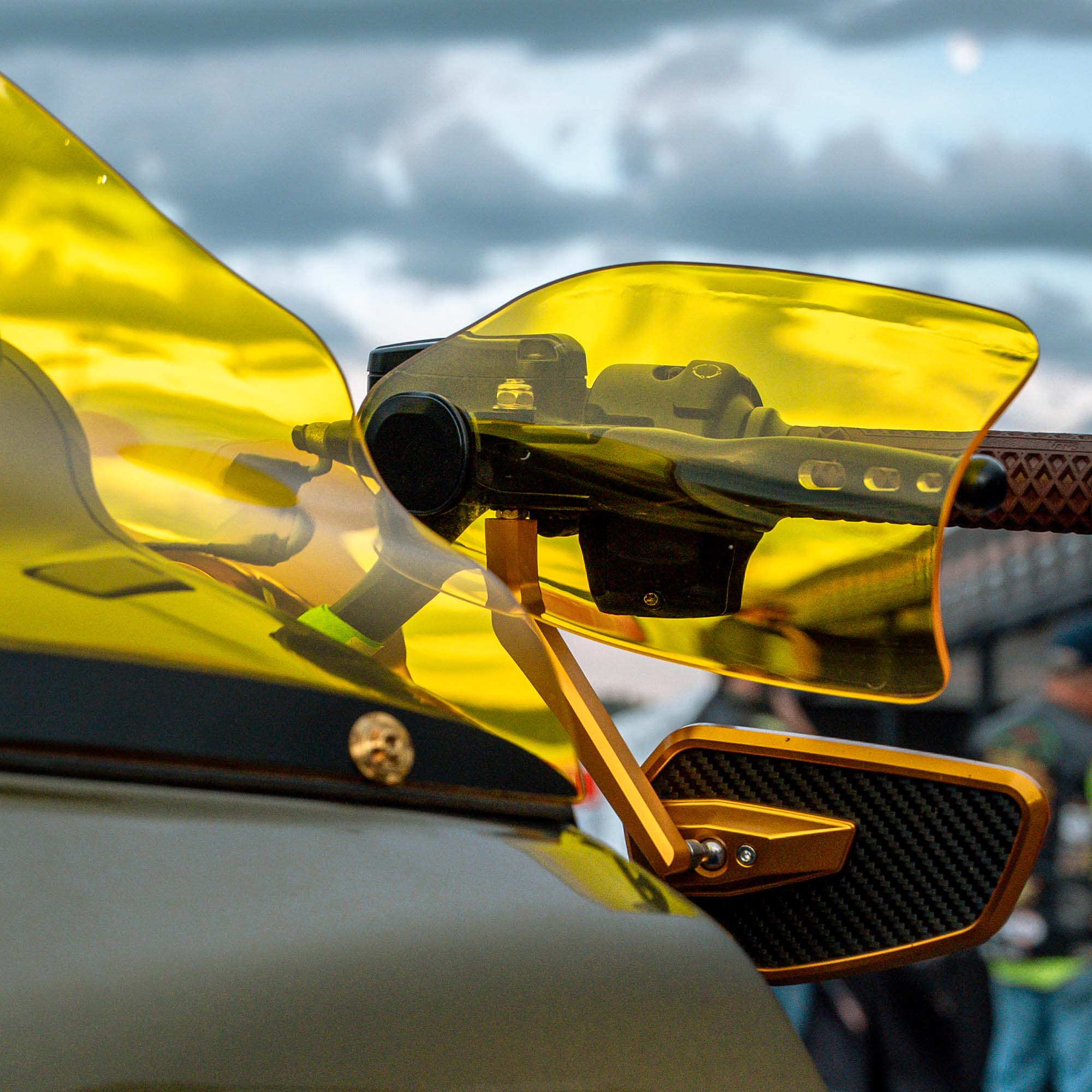
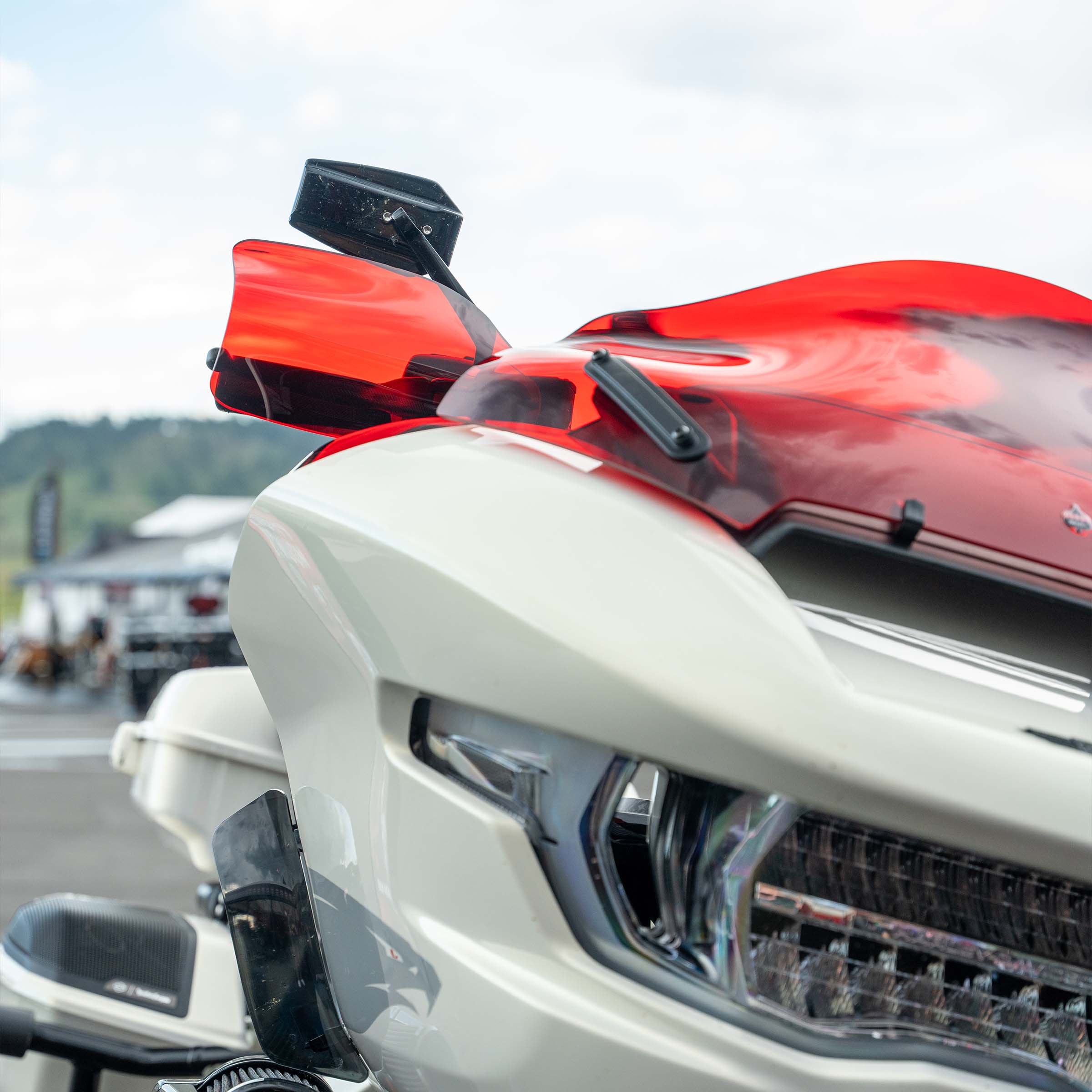
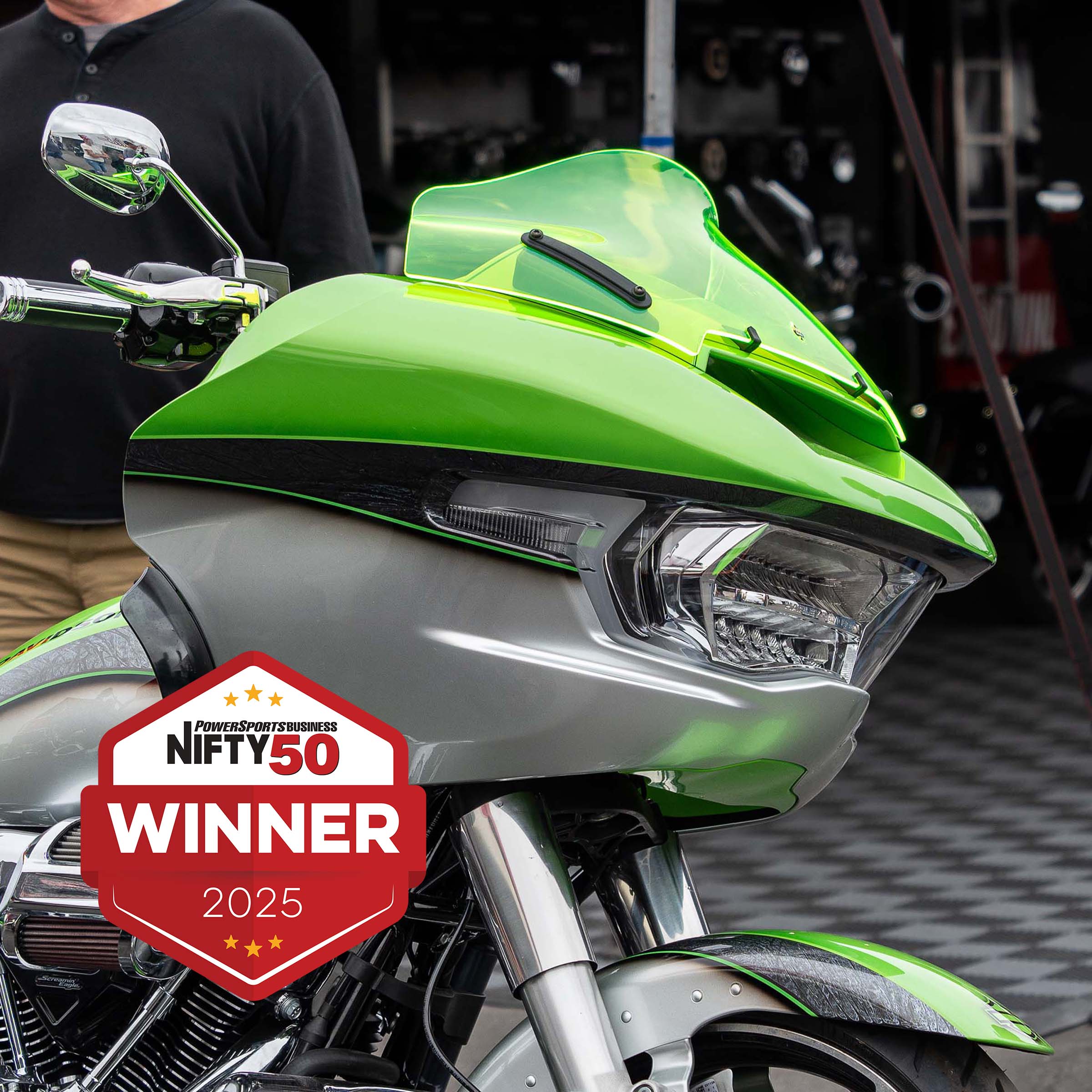
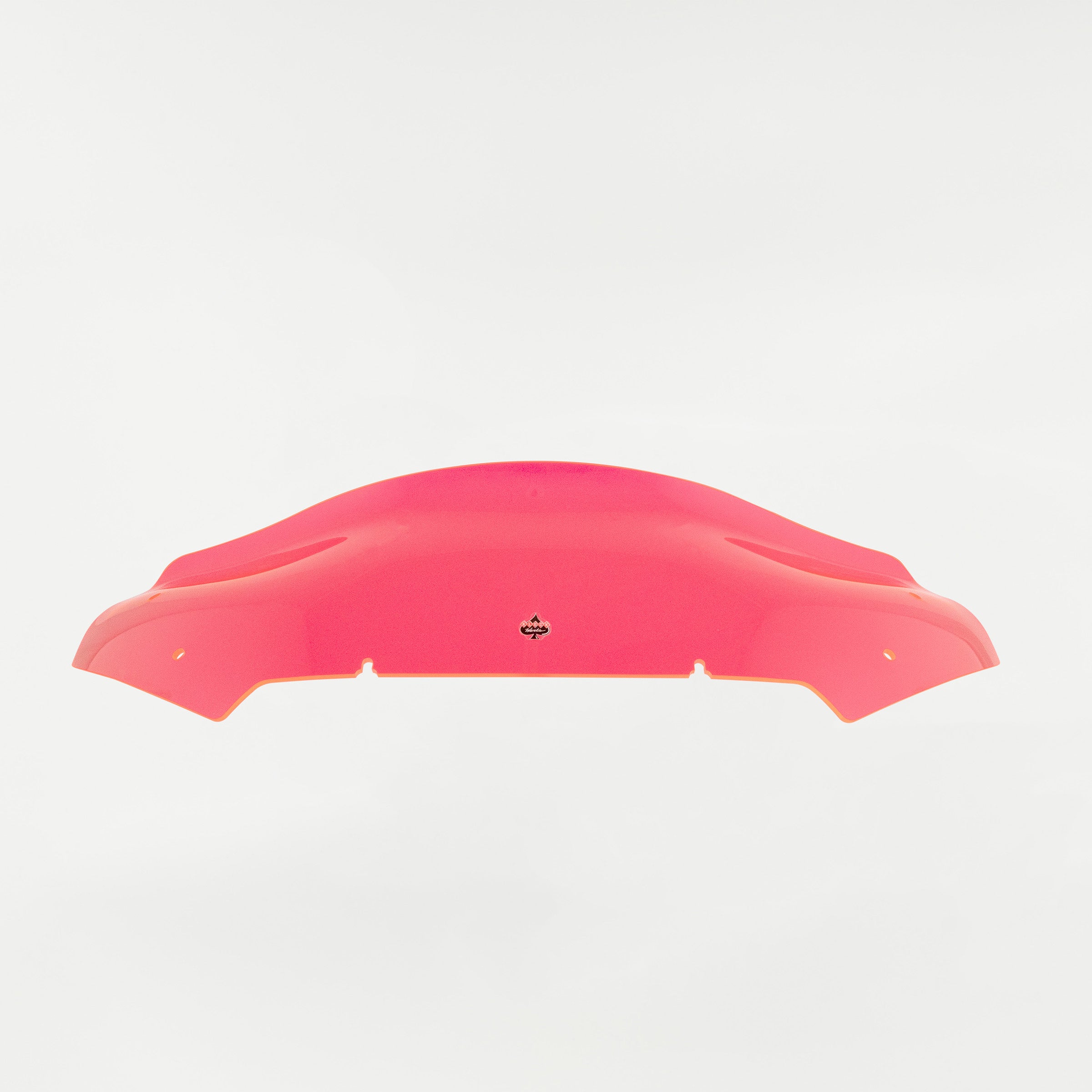
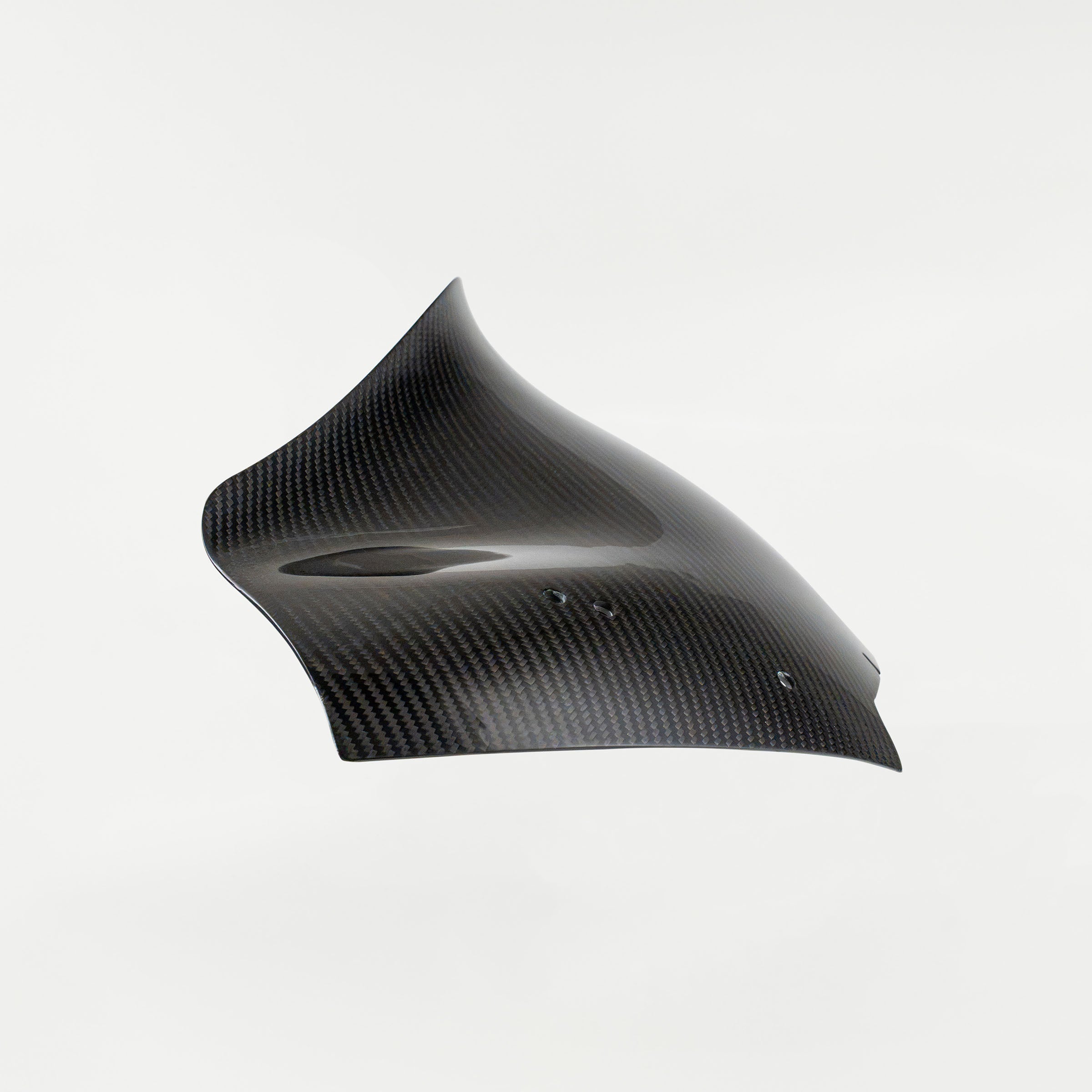
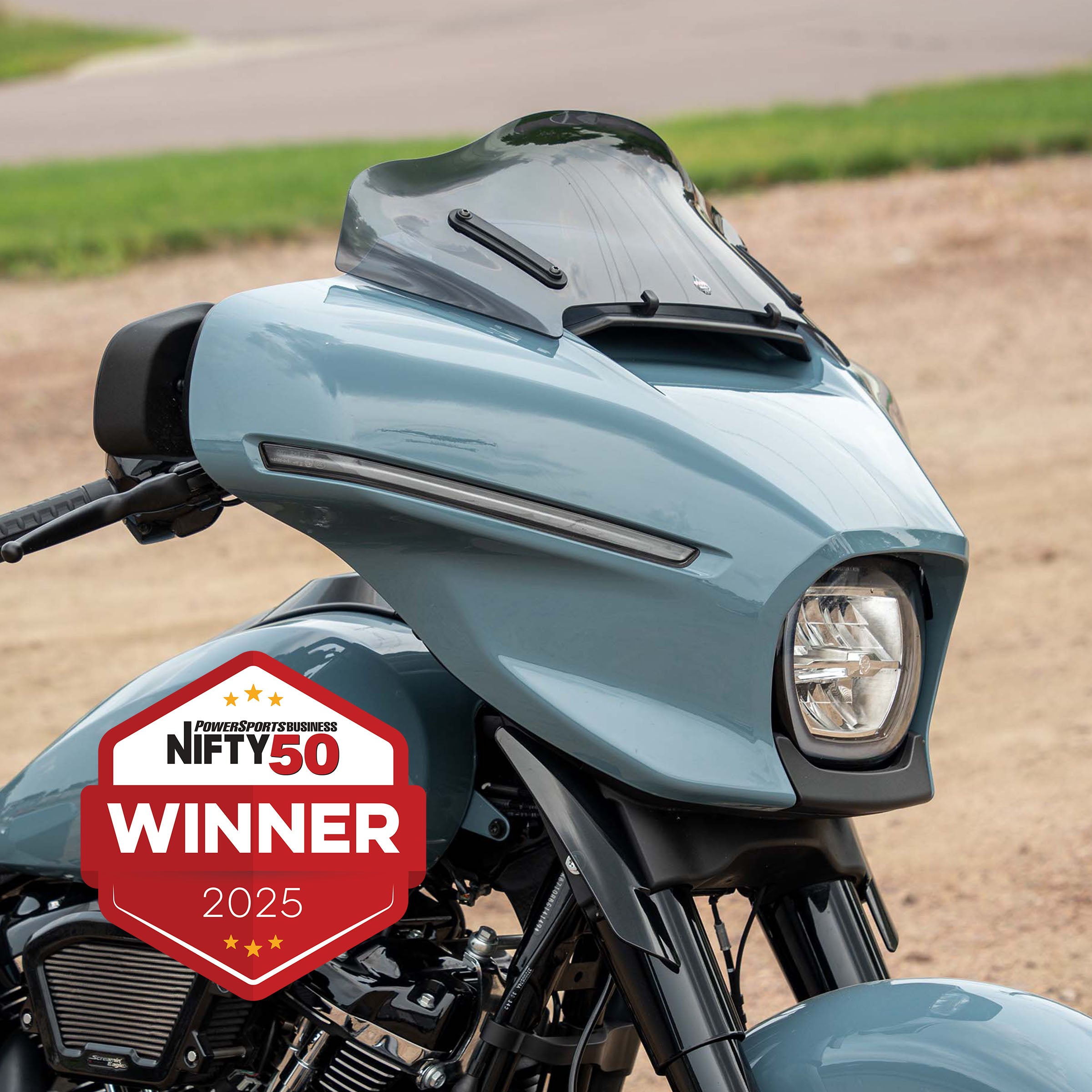
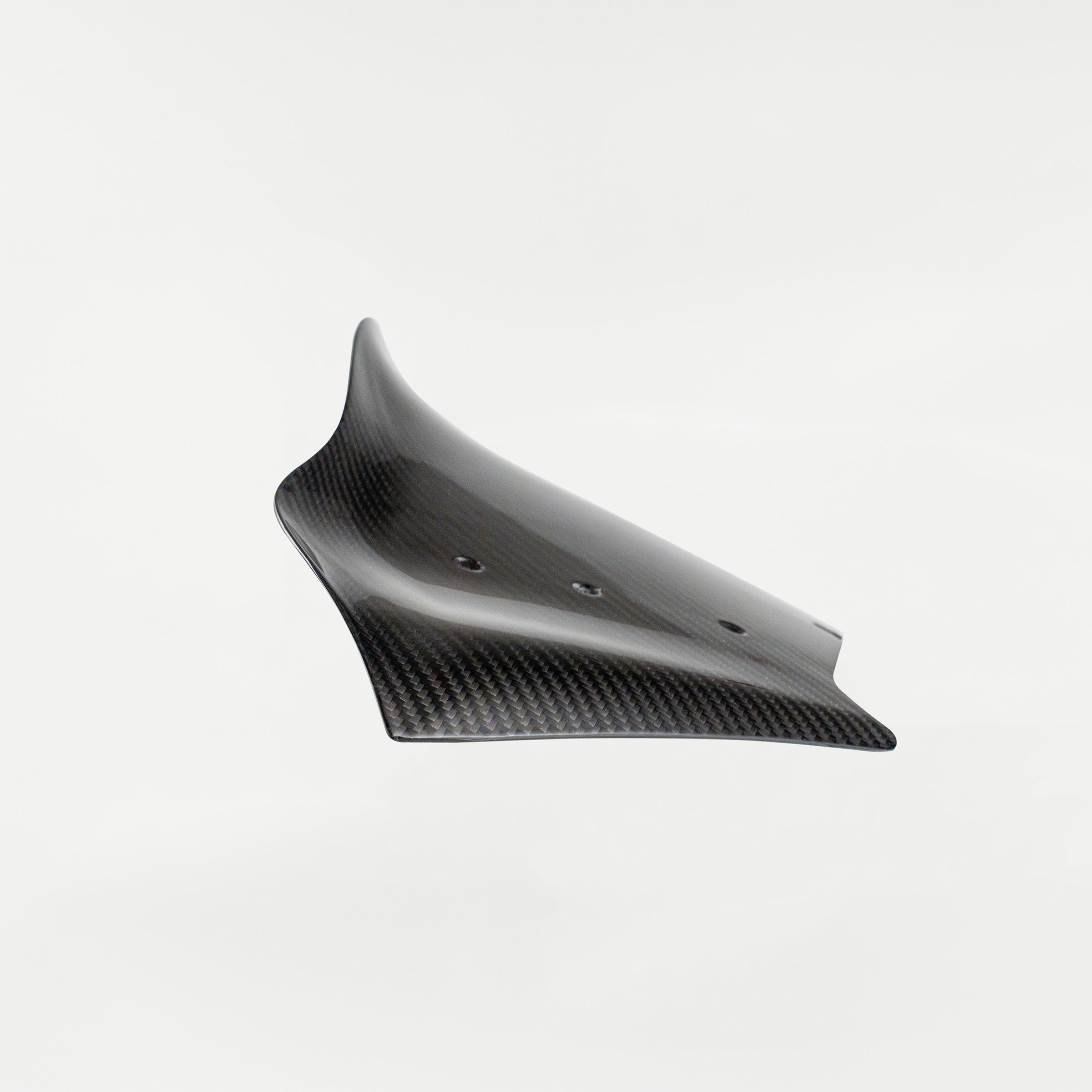
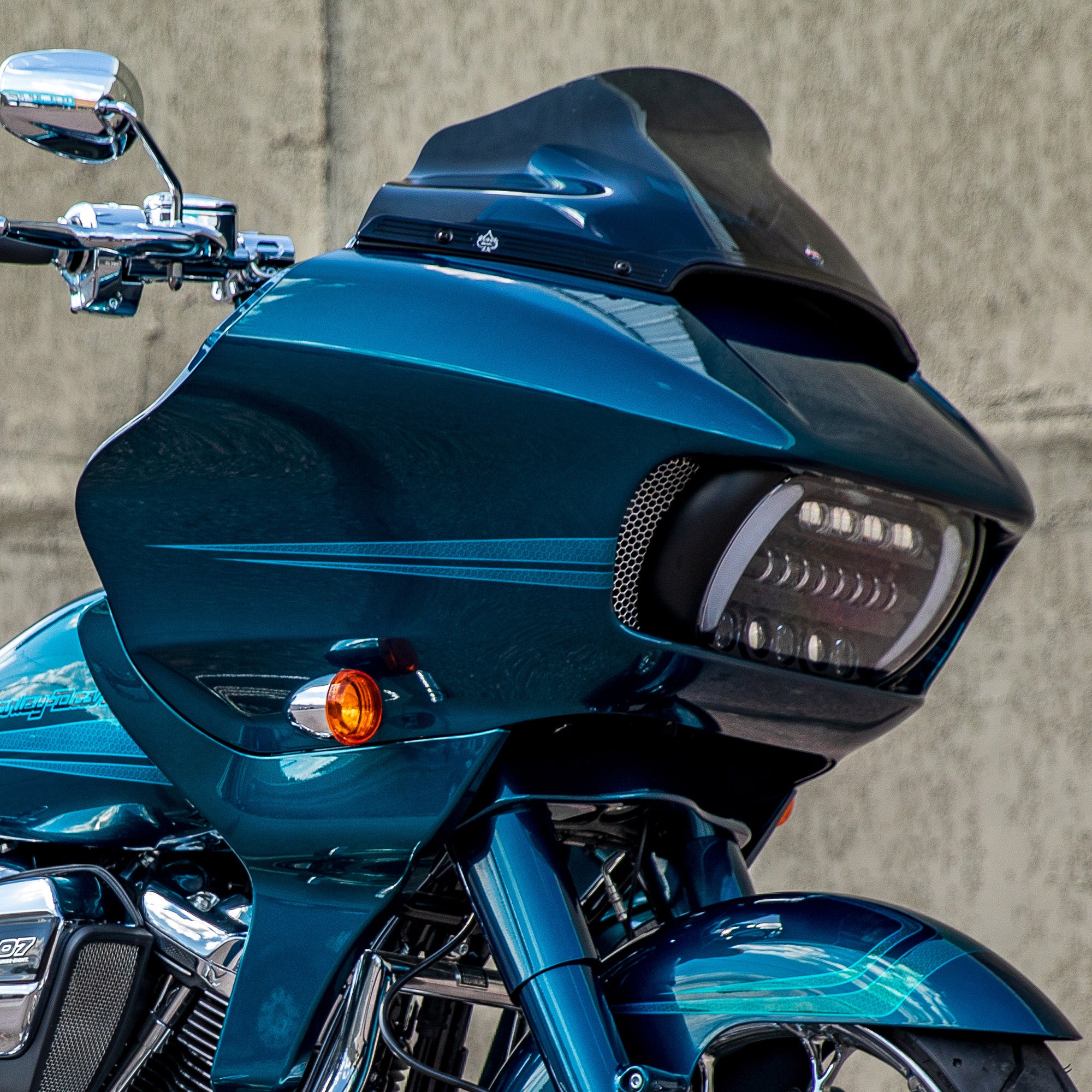
The Flare® Windshield applies these principles directly. Its curved top edge, or the "Flip", sends air up and over the rider's helmet. Its flared sides, called the "Hips", route air outward and help create front end downforce. Together, they let the shield stay short enough to look over while still keeping the rider in a clean pocket air.
Want to learn more about how the patented Flare® Windshield design works? Our Flare® Windshield Guide: The Real Fix for Motorcycle Buffeting and Wind Blast breaks down the science behind motorcycle Air Management, what causes helmet buffeting and how the Flare® helps redirect airflow for a better ride.
Why Choose the Flare® Windshield?
If you’re serious about improving your ride, the Flare® Windshield is the choice that makes the most sense. Here’s why:
-
Aerodynamic Performance: From the flip at the top to the hips on the sides, every detail of the Flare® is engineered to maximize airflow efficiency.
-
Stability at High Speeds: The downforce created by the Flare® keeps your bike planted and stable, even at top speeds or in gusty conditions.
-
Less Fatigue: By reducing buffeting and smoothing airflow, the Flare® makes long-distance riding easier on your body, leaving you with less neck and shoulder strain.
-
Extensive Testing: Unlike stock or competitor options, the Flare® has undergone rigorous testing in wind tunnels to ensure it delivers the best possible performance.
In the world of air management, Klock Werks is the name you can trust. Our Flare® Windshield is a product of innovation, expertise, and a passion for performance designed to make every ride better.
It’s your ride. You decide how smooth, stable, and comfortable it is. Get Klocked and ride with the best in air management.
People Also Ask (FAQ)
Q: What is the difference between a "Sport" and "Touring" Flare®?
A: The Sport Flare® is a more streamlined, aggressive design, typically narrower through the middle. It’s perfect for riders who want to maintain a "kustom" look while gaining downforce. The Touring Flare® is wider at the base and middle, providing more wind protection for the rider's chest and shoulders—ideal for those 500-mile days.
Q: Does the Flare® really help with my motorcycle's audio?
A: Yes. By creating a calm air pocket (the "bubble"), the Flare® significantly reduces the wind noise around your ears. This means you don't have to crank your stereo to 100% just to hear your favorite track. Most riders report being able to hear their audio much more clearly at highway speeds.
Q: Why do you recommend looking over the windshield?
A: Safety is the priority. Road grime, bugs, and rain can quickly obscure a windshield. If you are looking through it, your vision is compromised. The Flare® design allows you to run a shorter shield (level with your nose) that still moves the air over your head, giving you a clear view of the road 30-50 feet ahead. Learn how to Find Your Flare here.
Q: Is the "hips" design just for aesthetics?
A: While the hips look great and add a custom edge to your fairing, they are purely functional. Their primary purpose is to create downforce on the front end of the bike, which improves stability and handling at high speeds. It’s the perfect blend of "Fit, Function, and Style."
Q: Is a taller motorcycle windshield always better?
A: No. A taller flat shield can move turbulence up to helmet level and make buffeting worse. The shape of the top and side edges matters more than height alone.
Q: Why does my helmet only shake at certain speeds?
A: Turbulence changes with airspeed. As you speed up, the vortices coming off the windshield change size and frequency, and at some speeds they line up with your helmet position. Changing windshield shape or height moves that zone.
Q: Does riding position affect buffeting?
A: Yes. Seat height, handlebar position and how upright you sit all change where your helmet sits in the airflow. That's why fit should always be checked from your normal riding position.
Q: What does downforce do on a motorcycle?
A: Downforce presses the front of the bike toward the road, keeping weight on the front tire. Riders feel it as better stability in crosswinds and when passing large trucks.
Q: Can a passenger feel the difference?
A: Yes. Air that wraps around the sides of a windshield often hits the passenger. Side shaping that routes air outward can make the back seat calmer too.
Explore Flare® Windshields or use the Flare® Size Guide to find the right fit for your bike.