Riders talk about horsepower, suspension, and exhaust tone.
But after a long ride, what really wears you out isn't speed or sound...it's the wind. Not just how much hits you, but where it hits.
Motorcycle windshield height plays a bigger role in comfort than most people realize. And it's not as simple as "taller is better" or "shorter looks cooler."
Let's break it down.
Understanding Airflow | Motorcycle Windshield Height Explained
At highway speeds, your bike is pushing into a wall of air. Your windshield's job is to manage that air, not just block it.
Height determines where the airflow transitions.
If the windshield is positioned correctly, wind is directed up and over the rider, creating a smoother pocket behind it. That pocket reduces fatigue, neck strain, and that constant helmet shake that wears you down over time.
If the airflow hits you mid-helmet or right at eye level, you feel it immediately:
- Head buffeting.
- Increased noise.
- Shoulder pressure.
- Constant forward push on your body.
Windshield height determines where that wind lands...but that's only half the equation.
Why Wind Matters as Much as Height
Traditional windshields rely mostly on height. The taller the motorcycle windshield, the higher the air gets pushed.
The problem is, simply pushing air higher can create turbulence behind the shield. That turbulence is what causes helmet shake and instability.
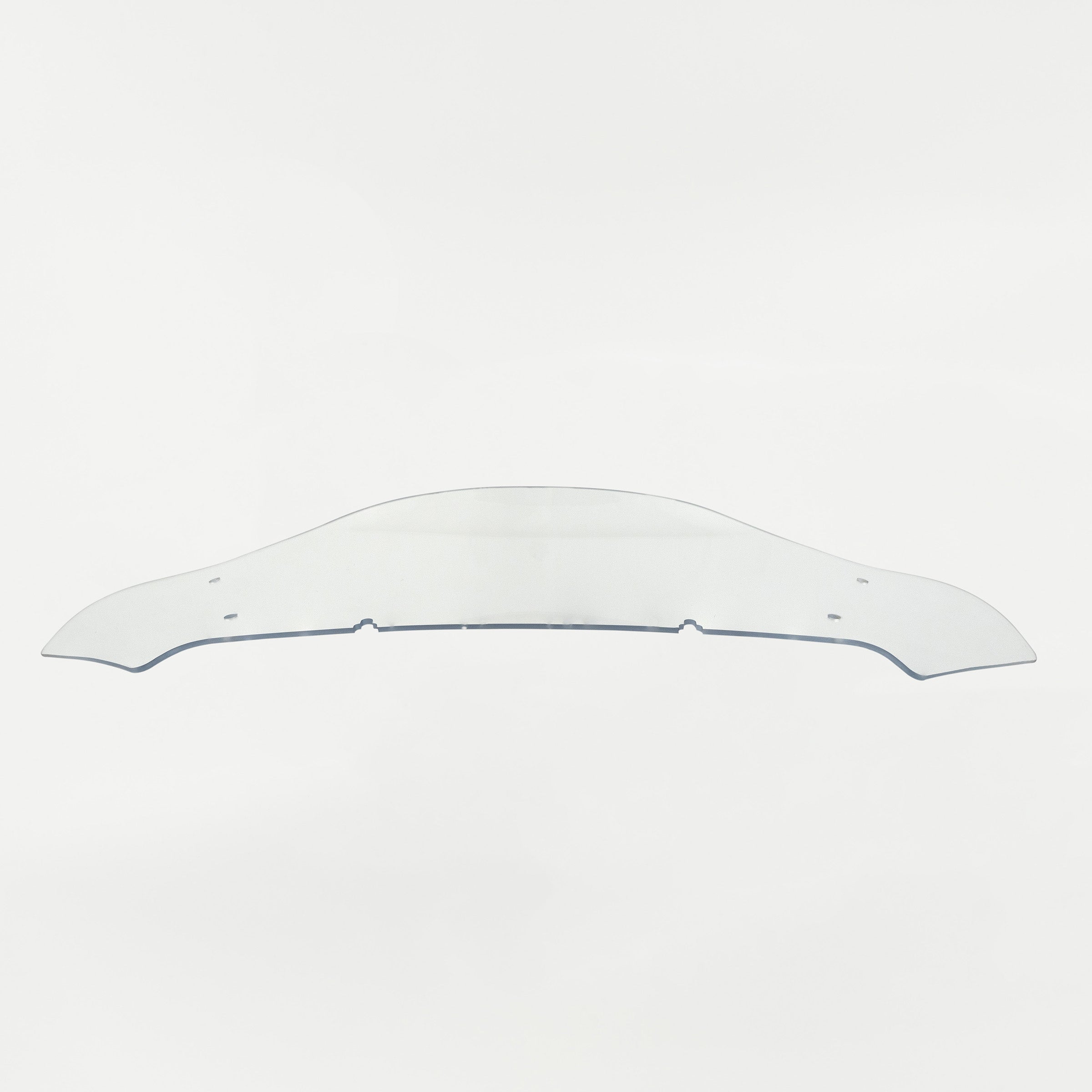
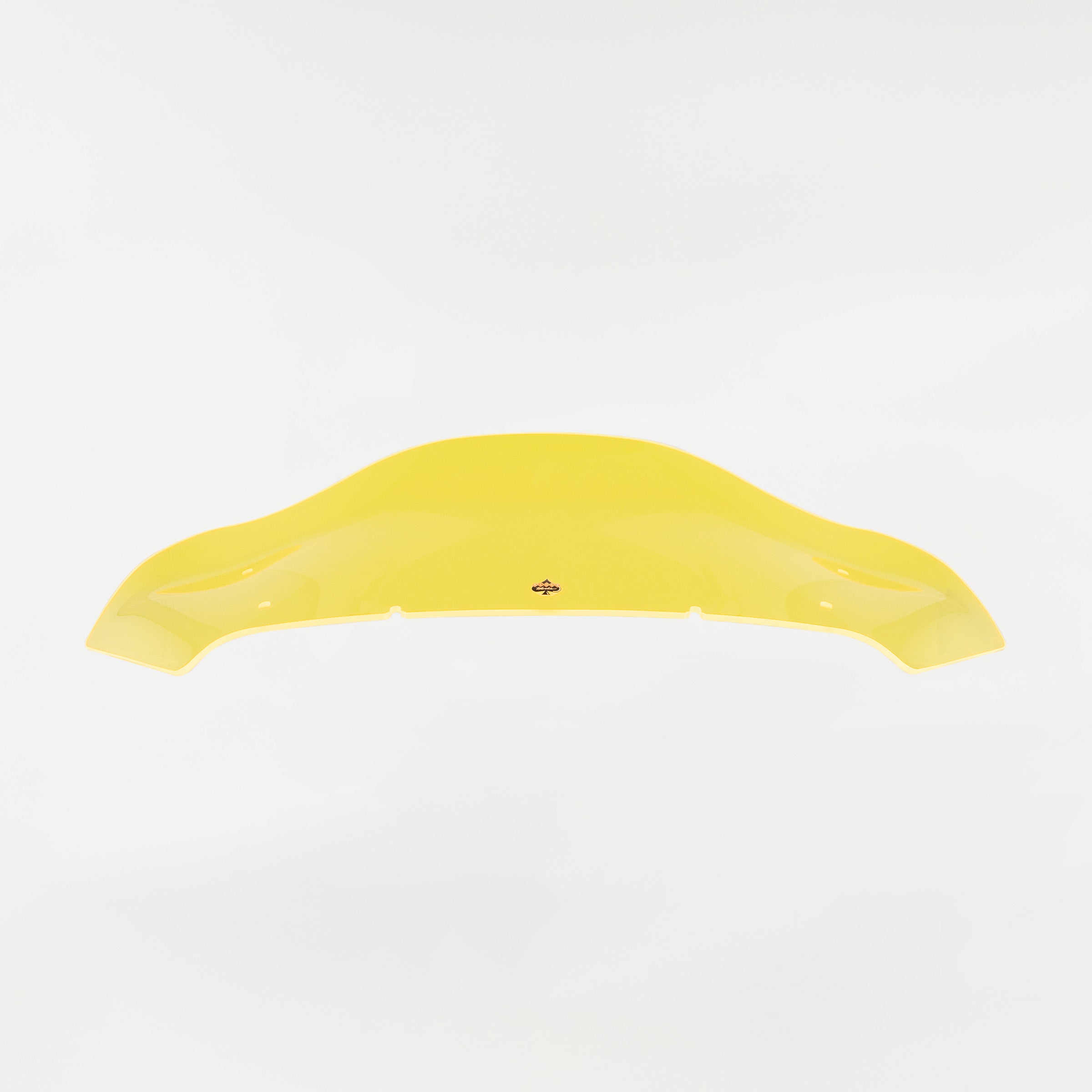
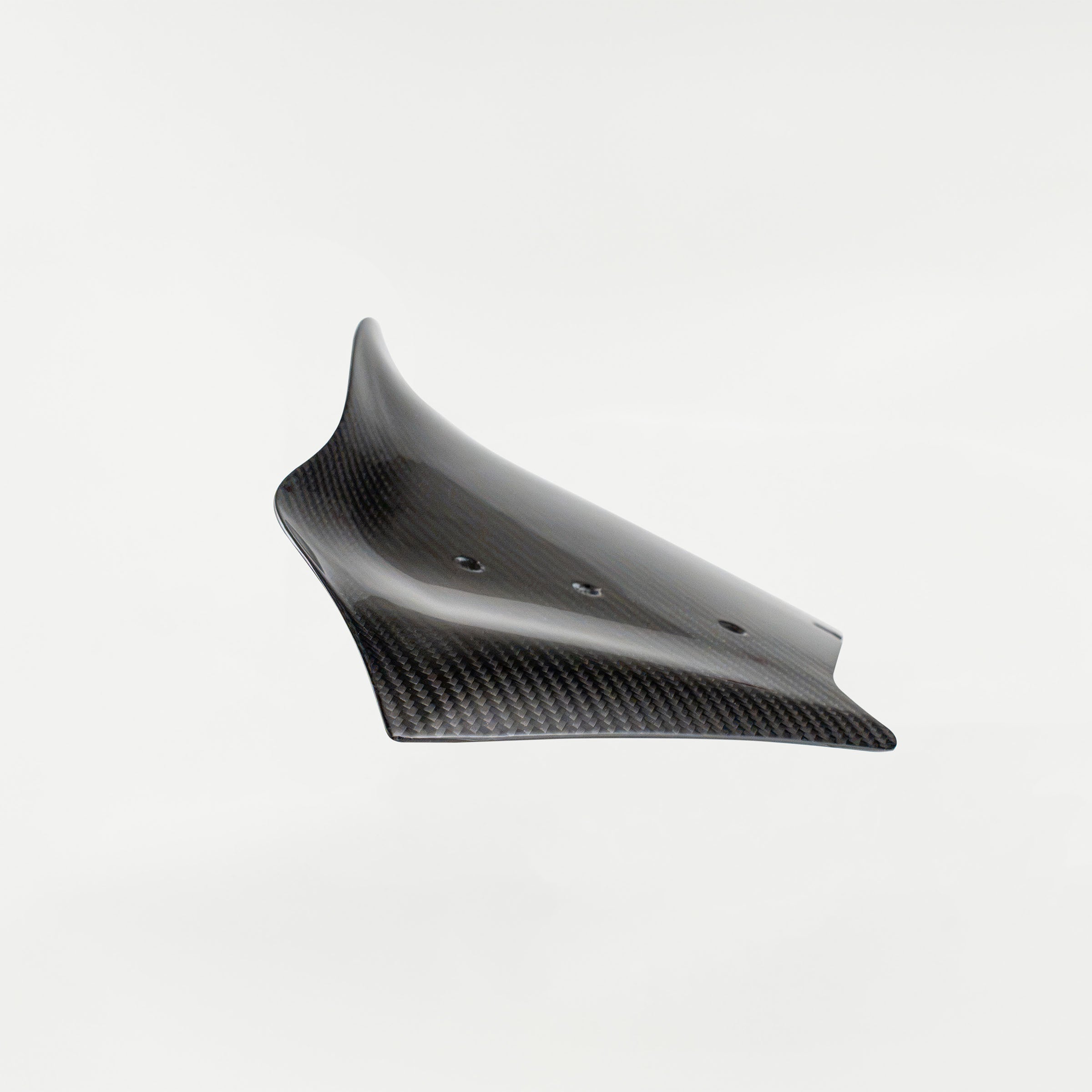
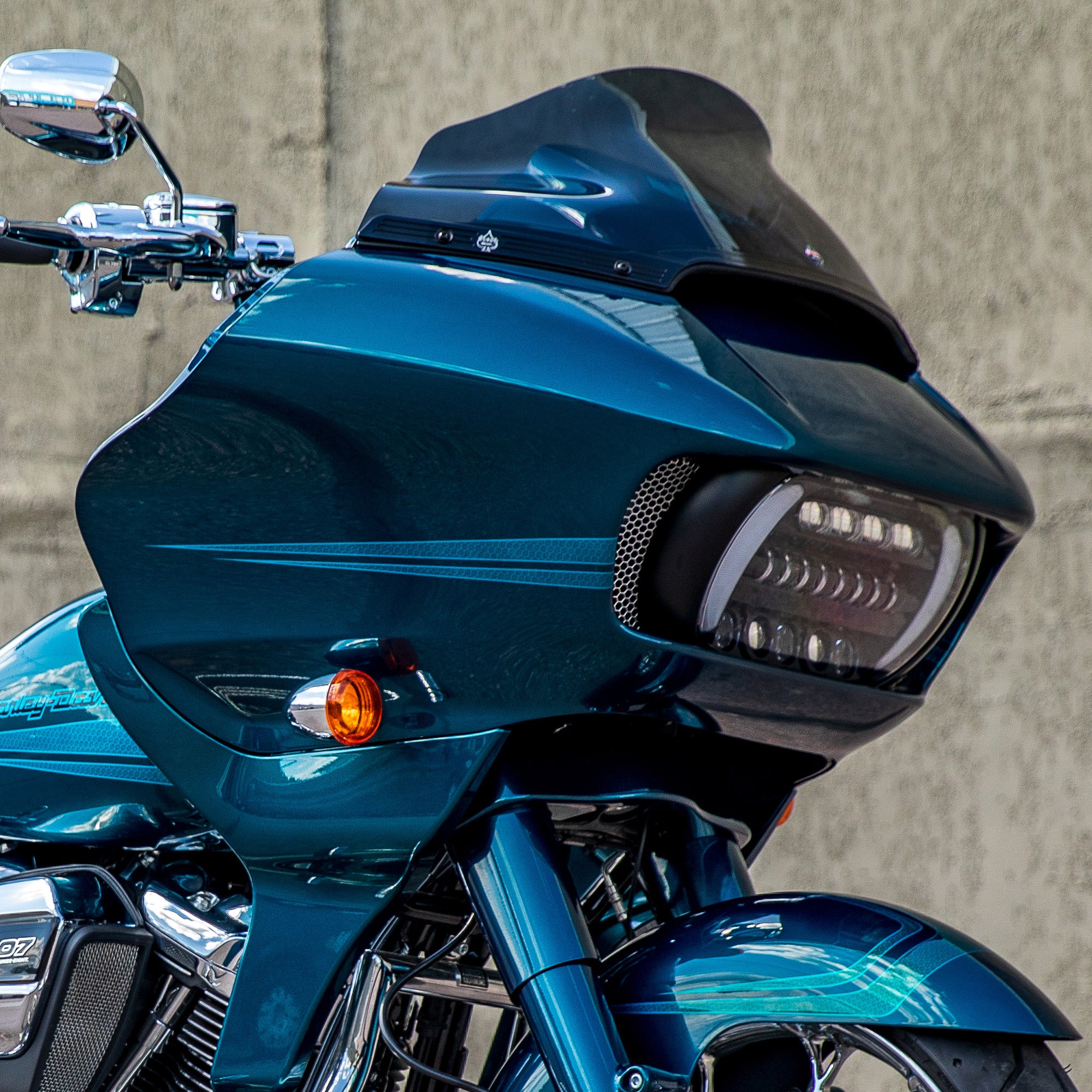
This is where the Flare® Windshield changes the game.
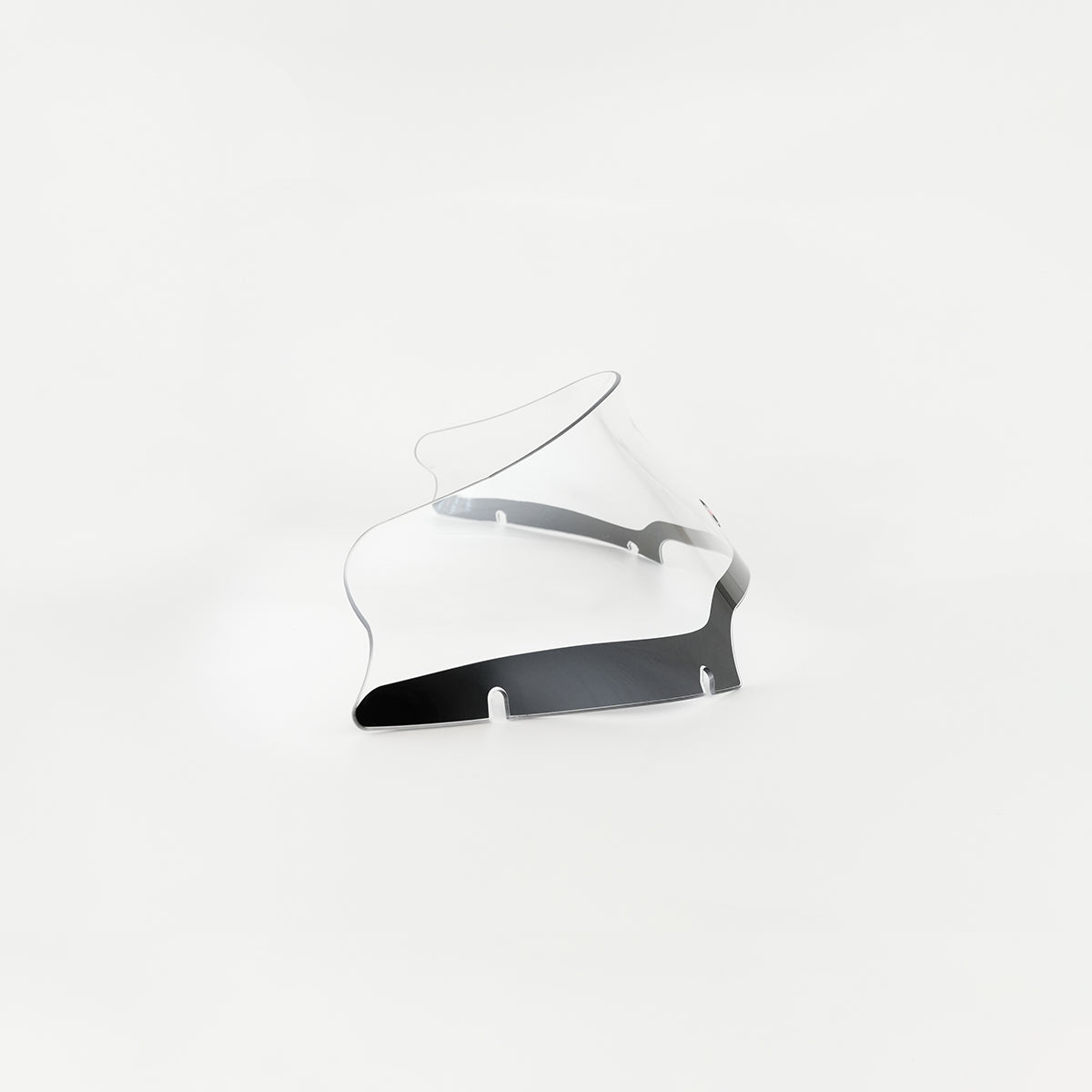
Instead of just blocking air, the Flare® uses its patented "hips" to redirect airflow up and around the rider. It controls the path of the wind.
That means:
- You can often run a shorter windshield.
- You still get improved wind protection.
- You reduce buffeting instead of increasing it.
It's airflow management, not just airflow deflection. That's why height on a Flare® isn't a one-size-fits-all answer. It depends on your bike, your seat height, and your riding position.

Choosing the Right Windshield Height | Flare® Measuring
This is where most riders guess. Our advice? Don't!
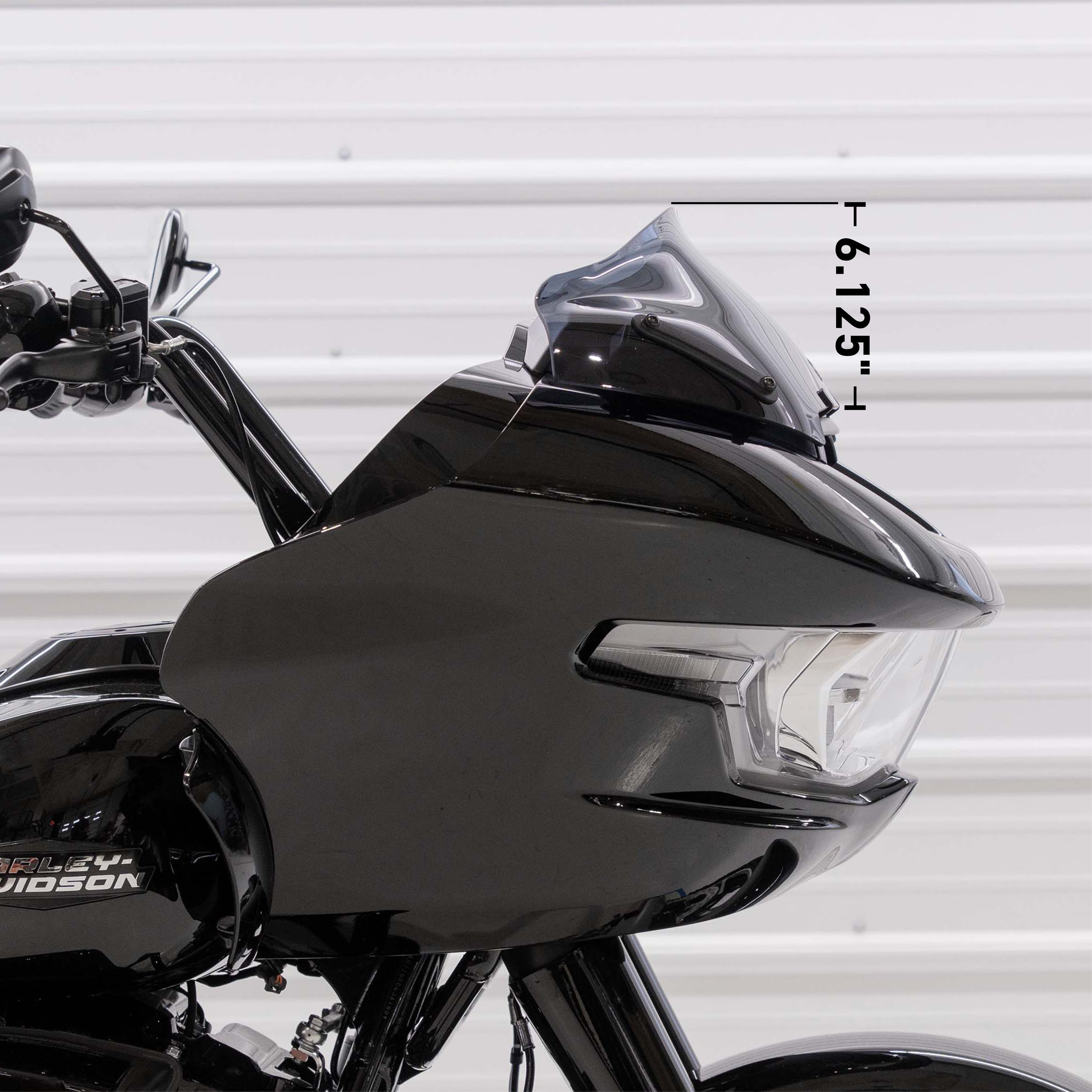
Choosing the correct motorcycle Flare® Windshield height starts with your natural riding position.
Sit in Your True Riding Posture
Hands on the bars, back relaxed, and eyes forward. Your natural riding position determines your true sight line.
Understand Your Sight Line
A properly sized windshield should sit below your direct line of sight. You should look comfortably over it, not through it. Why? Rain, bugs, night riding, and road grime. Looking through a shield full-time means every scratch and water spot becomes your problem.
Follow Our Step-By-Step Flare® Measuring Guide
- Grab a buddy to hold a ruler or tape measure vertically from your fairing.
- Get in your riding position and get comfortable! Try to sit like you do when you ride the majority of the time.
- Place the ruler or tape measure horizontally above your top lip. Hold it level and have your buddy measure vertically from the bottom edge up.
- Choose a Flare® size that is comfortably lower than your line of sight, but not lower than your chin. That way you're looking over, not through it.
We walk through the entire measuring process in our YouTube video so you can see exactly how to do it before ordering. It only takes a few minutes and can save you from second-guessing later.
👉 Watch the Flare Windshield Measuring Guide on YouTube

Common Windshield Height Mistakes | Motorcycle Tips
Most comfort issues don't come from bad products. They come from incorrect sizing.
Many riders pick a windshield height based on looks alone. Or they measure while sitting in the garage with their feet flat on the ground. Seat height changes get ignored. Handlebar adjustments get overlooked. Both of those shift your posture and eye line more than people realize.
And then there's the biggest misconception: assuming taller automatically means better. Spoiler alert: it doesn't.
Small setup changes can dramatically change how air moves around you. That's why measuring correctly and understanding your riding position makes all the difference.

FAQ | Motorcycle Windshield Height + Rider Comfort
Q: What is the best motorcycle windshield height?
A: The best height allows you to look comfortably over the windshield while directing airflow over your helmet. It should reduce buffeting without forcing you to look through the windshield.
If you're unsure where to start, read our blog on how to choose the right Klock Werks Flare® Windshield size. It walks you step-by-step through the measuring process!
👉 Read "Find Your Flare®: How to Choose the Right Klock Werks Flare® Windshield" blog
Q: Is the line-of-sight method accurate?
A: Yes! For most riders, it's about 95% accurate. That said, airflow is dynamic. Rider height, seat position, bars, and riding style all influence how air moves. The measurement gets you very close, but nothing replaces real-world riding feedback if you have access to multiple sizes.
Q: Should I be looking over or through my windshield?
A: You should be looking over it! Looking through a windshield full-time becomes a problem in rain, at night, or when it collects bugs and road grime. Proper height allows you to see clearly over the top edge while the Flare® redirects airflow up and around you.
Q: How does a Flare® Windshield actually work?
A: Traditional windshields mostly block air. The Flare® design changes the path of the air. The patented "hips" on the outer edges accelerate and redirect airflow up and around the rider. Instead of dumping air into a chaotic pocket behind the shield, it creates a more controlled stream that flows past your shoulders and helmet.
If you want a deeper breakdown of the airflow science behind the Flare®, read our blog on the science behind it and the difference a Flare® makes.
👉 Read "The Science of Air Management: The Difference a Flare® Makes" blog
Q: Can I try a Flare® before purchasing it?
A: Why yes...yes you can! Many participating dealers and Klock Werks rally events offer a "Try It Before You Buy It" program. That allows you to test different heights on your own bike and feel the difference firsthand.
If you're interested in learning more about the program and how it works, read our blog on the "Try It Before You Buy It" program. We break down where to find participating dealers and how to get hands-on with the right size. Or, visit our Demo Dealer Locator and cruise on in to a dealer near you to test a Flare® Windshield today!
👉 Read "Try It Before You Buy: Klock Werks Flare® Windshield Demo" blog
Q: Where can I find an authorized Klock Werks dealer?
A: Fantastic question! Use our Dealer Locator to find the nearest authorized dealer. Seeing different heights in person helps you choose the right fit.

Resources | Measure, Learn + Find the Right Flare®
- Flare® Measuring Video - Step-by-step guide to measure for the correct windshield height.
- Dealer Locator - Find an authorized Flare® dealer near you.
- More on Flare® Windshields - Compare heights, models, Kolors, and fitments.
- Flare® FAQ's - Read more on our Flare® Windshield to learn more about your gear.
Final Thoughts | No More Guessing
Windshield height isn't about guessing. It's about understanding airflow.
When height and design work together, you don't need the tallest shield on the market. You need the right one for your riding position.
That's the difference.
As always, #GetKlocked👊🏻