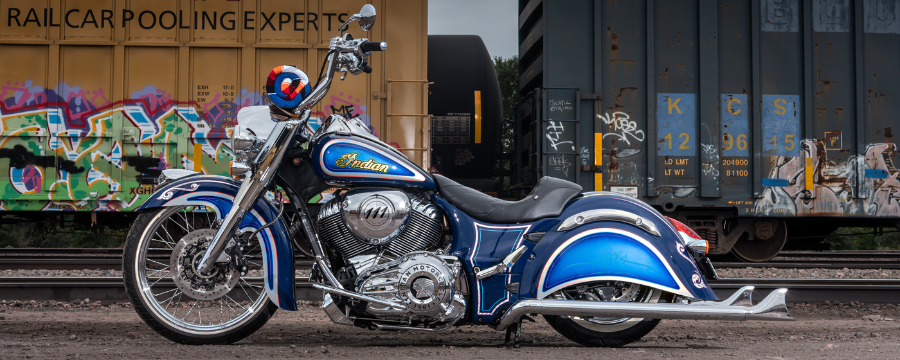
Why Did Nobody Build a Full Custom Touring Bike in 2003?
In 2003, the motorcycle customization world was focused almost exclusively on Softails, FXRs, and Sportsters. Touring bikes were considered too large, too utilitarian, and too far from the pro-street aesthetic that dominated the era. Brian Klock, Dan Cheeseman, Chris Weber, Tim Wagner, and James Mayer looked at that gap and saw an opportunity.
The idea was straightforward but audacious: take everything the Krew had learned building aggressive pro-street customs and apply it to a full-sized bagger. Not a mild refresh. A ground-up transformation that would make a touring bike look like it belonged on a custom show floor. Shortly after the concept took shape, Greg Wick joined the project with the same vision, and the Benchmark Bagger became a collaborative effort that would define what Klock Werks stood for in the years to come. Klock Werks extends its deepest gratitude to Greg and Sandy Wick for their consistent support of the brand over the years.
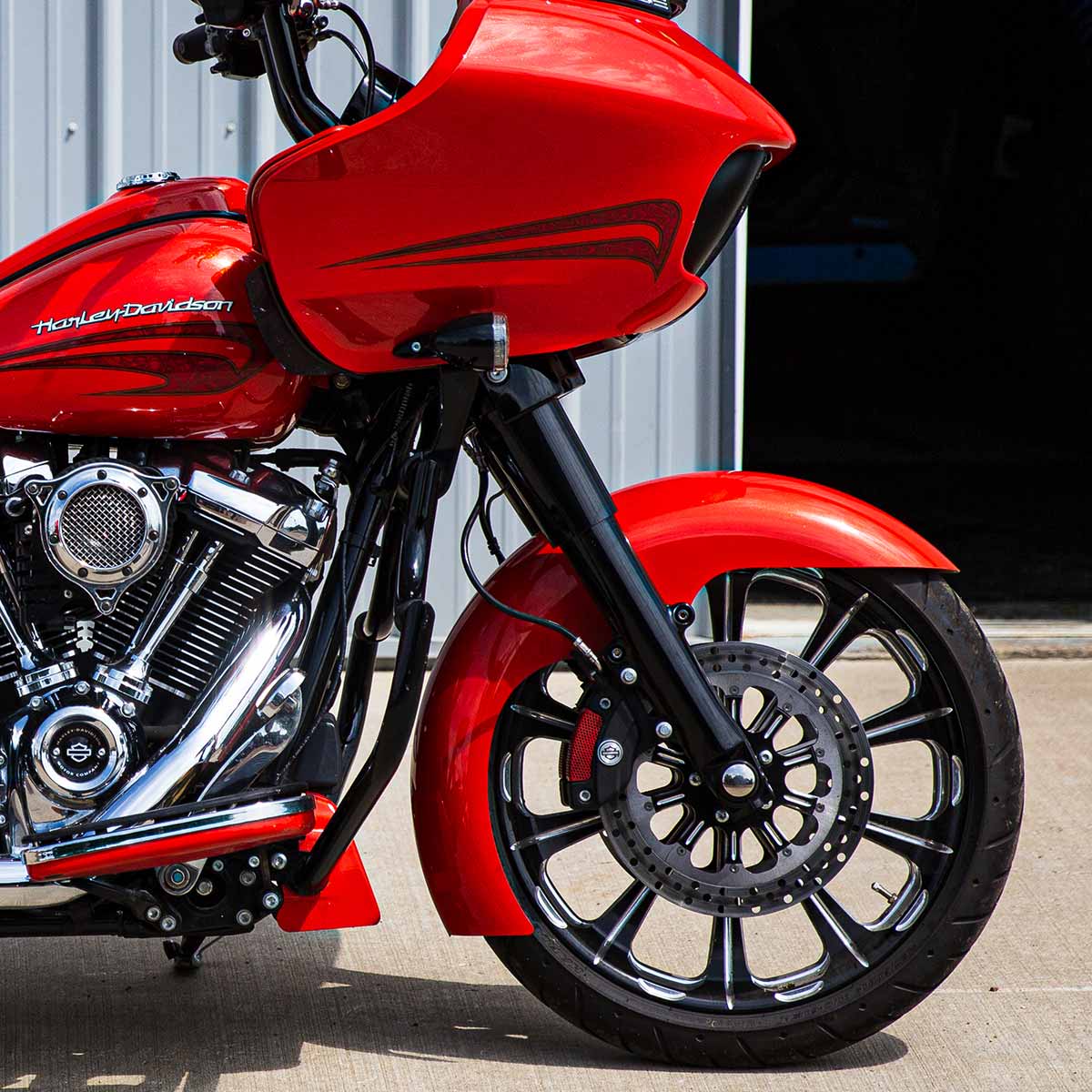
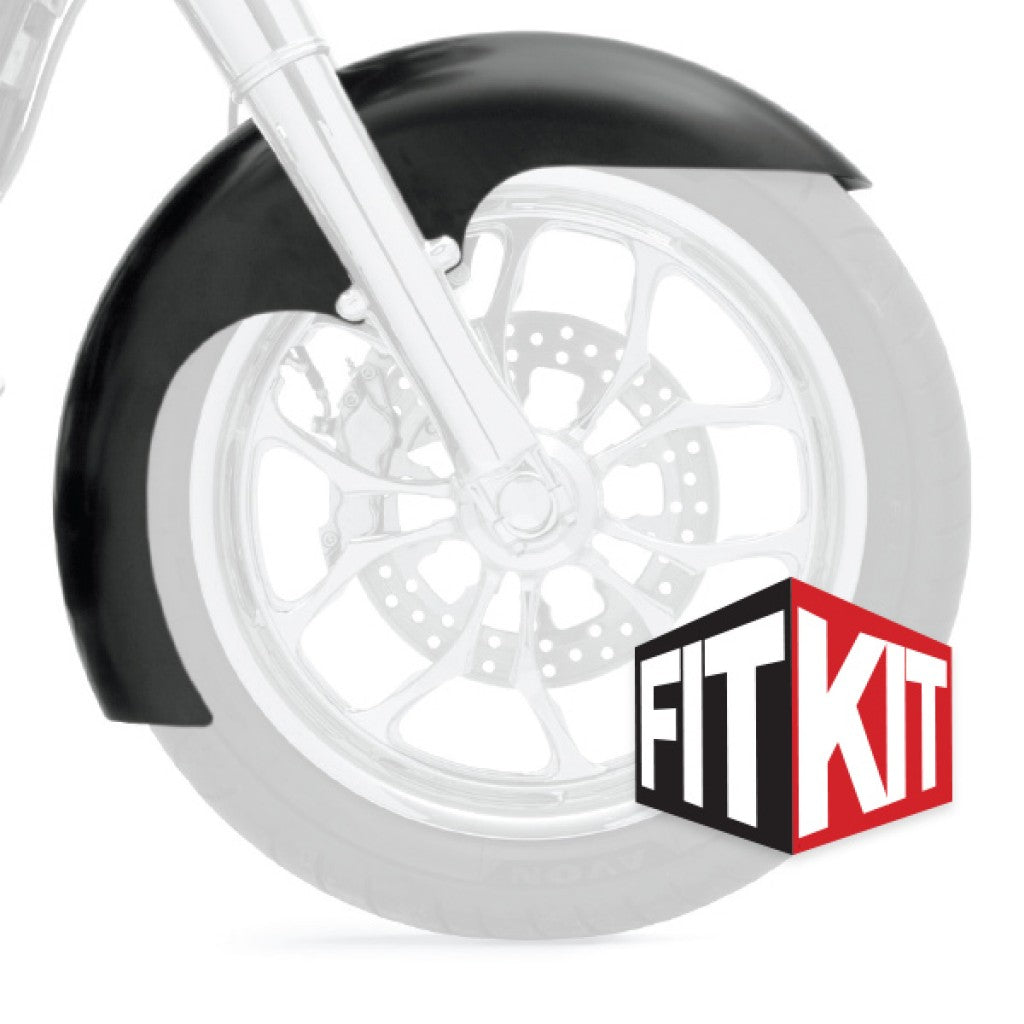
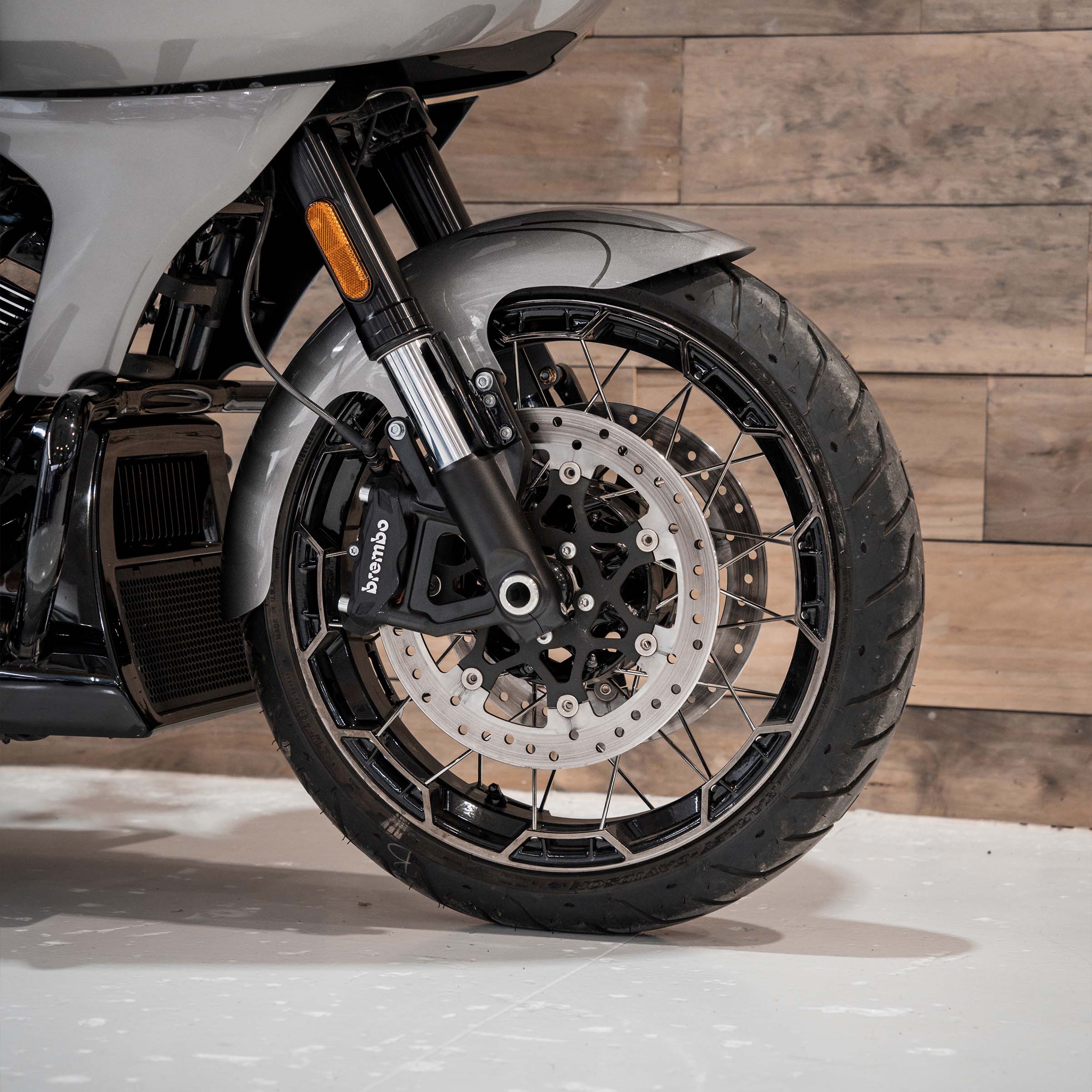
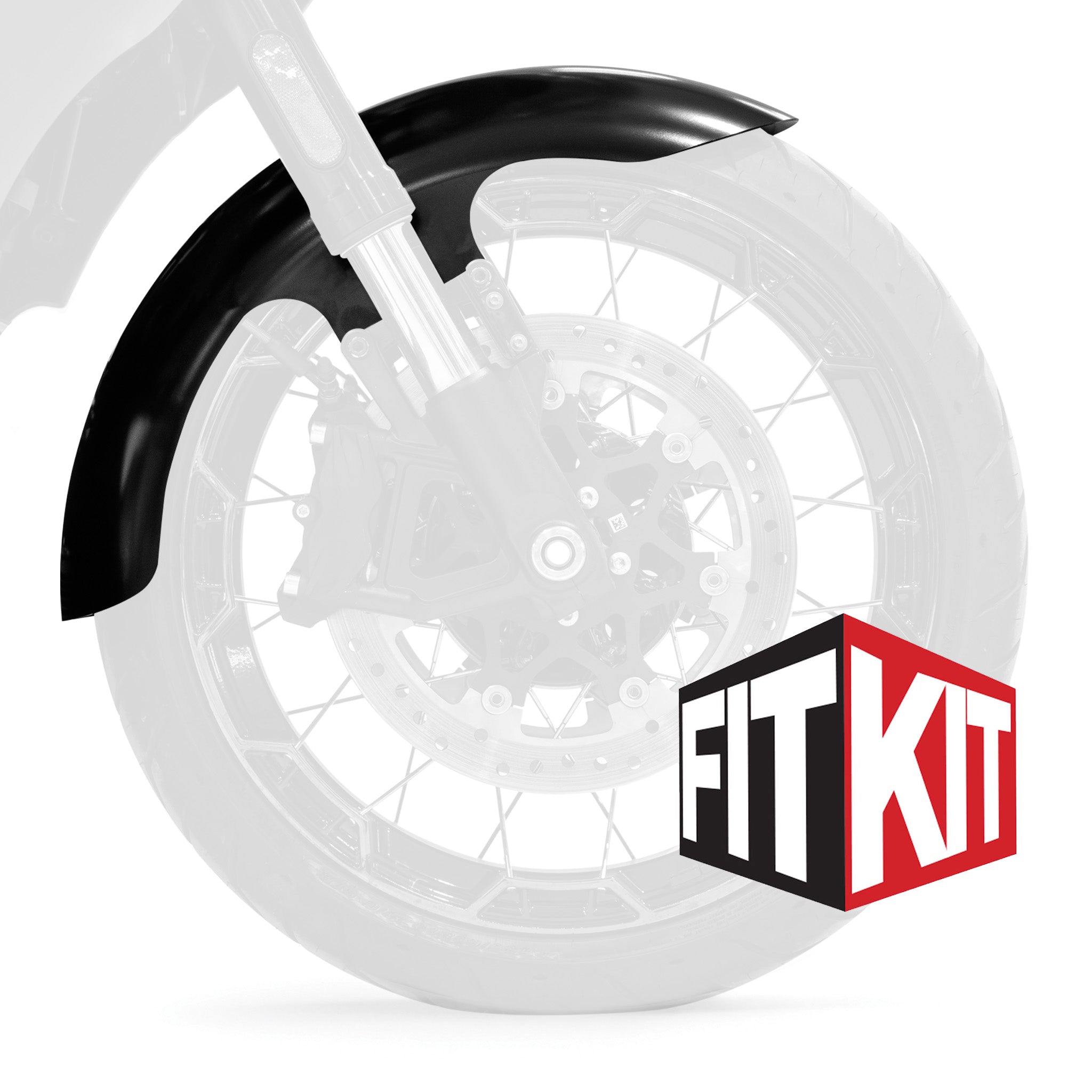
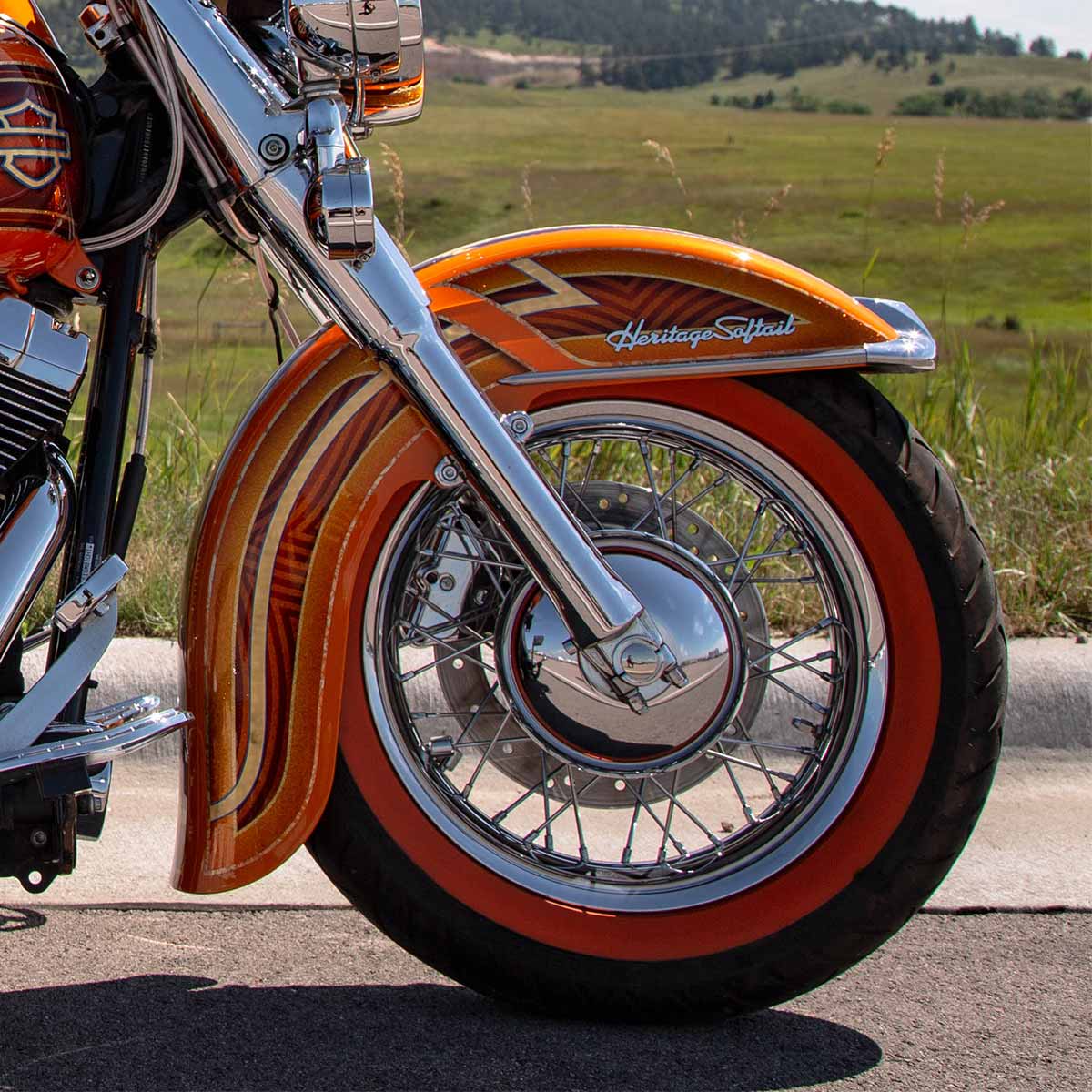
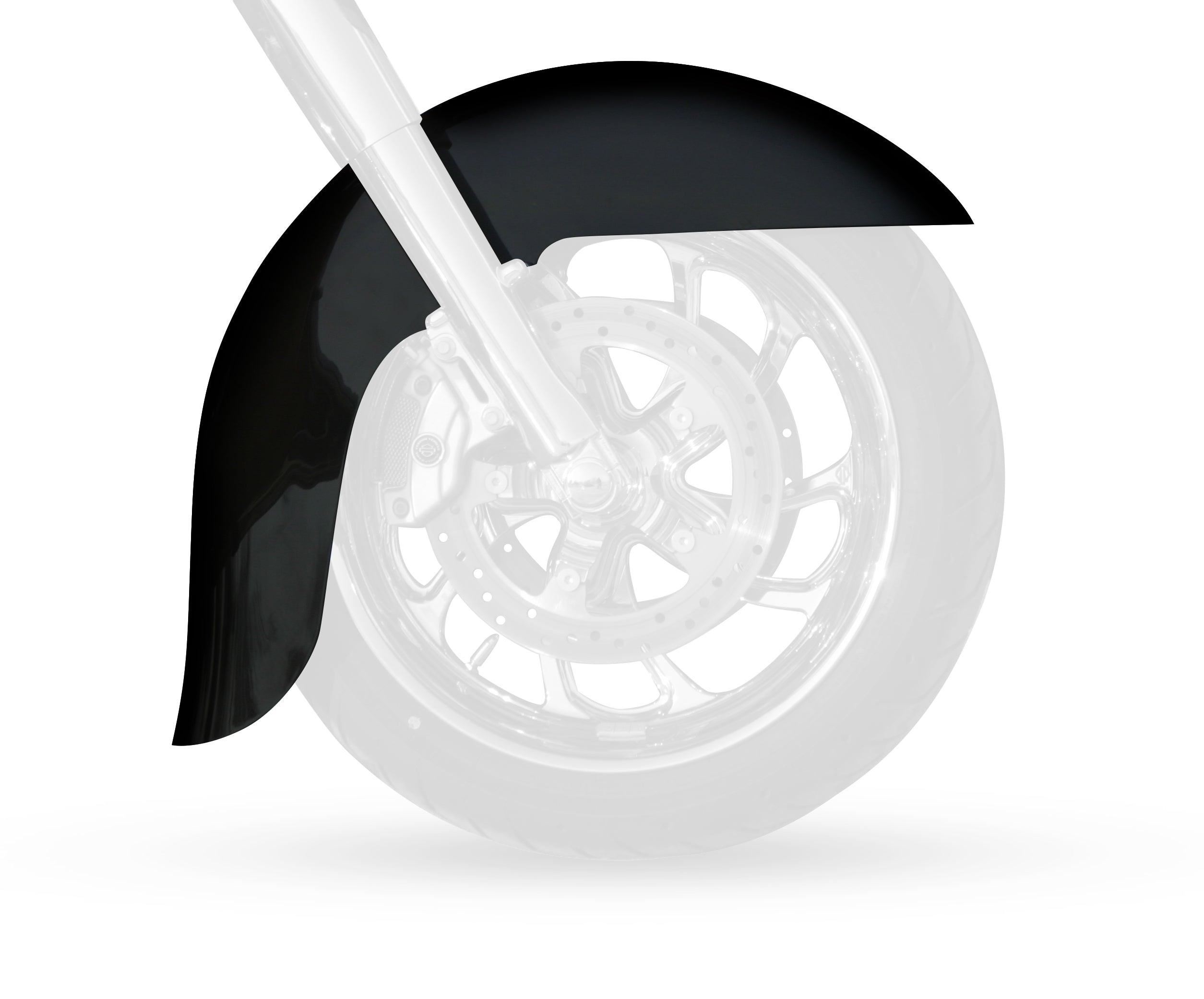
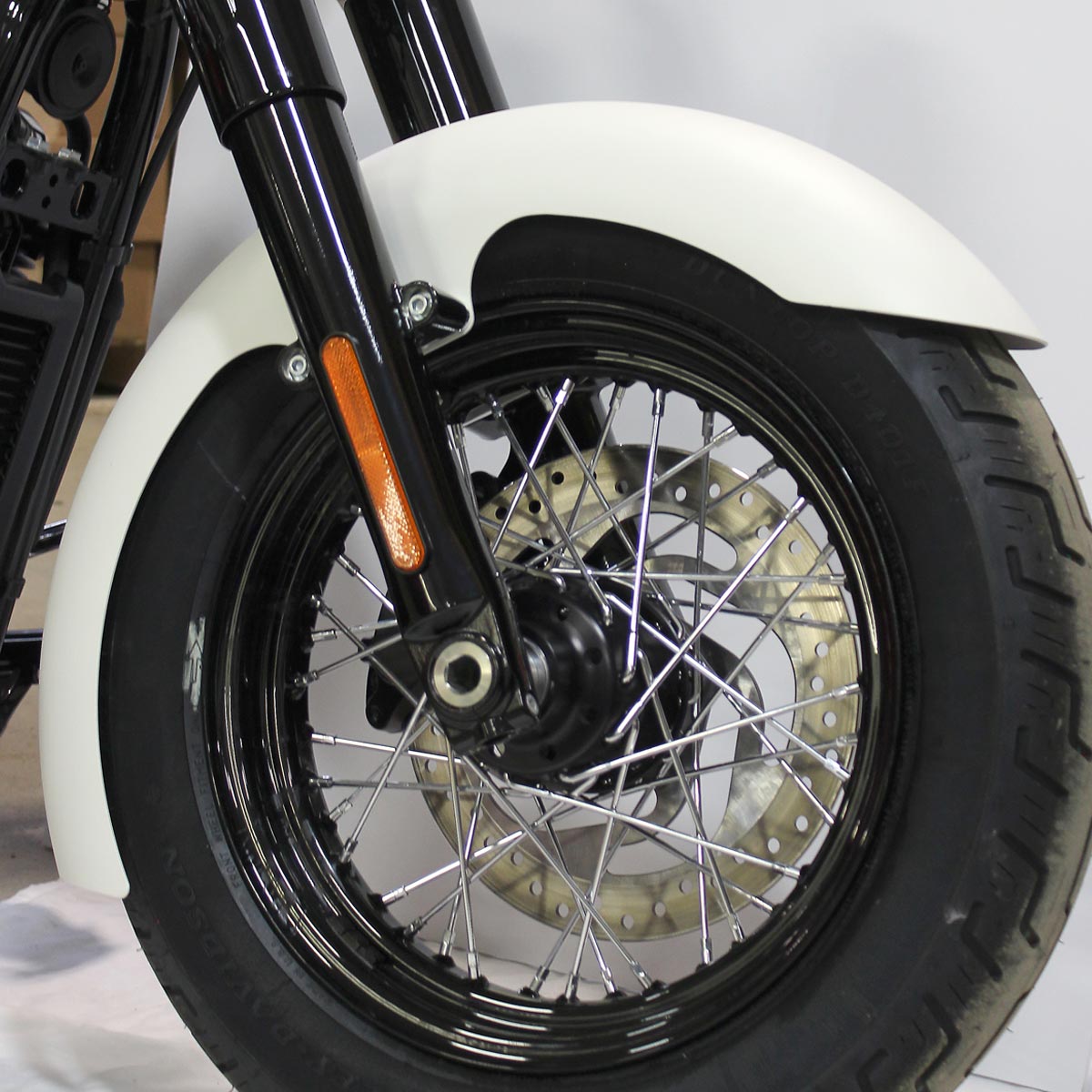
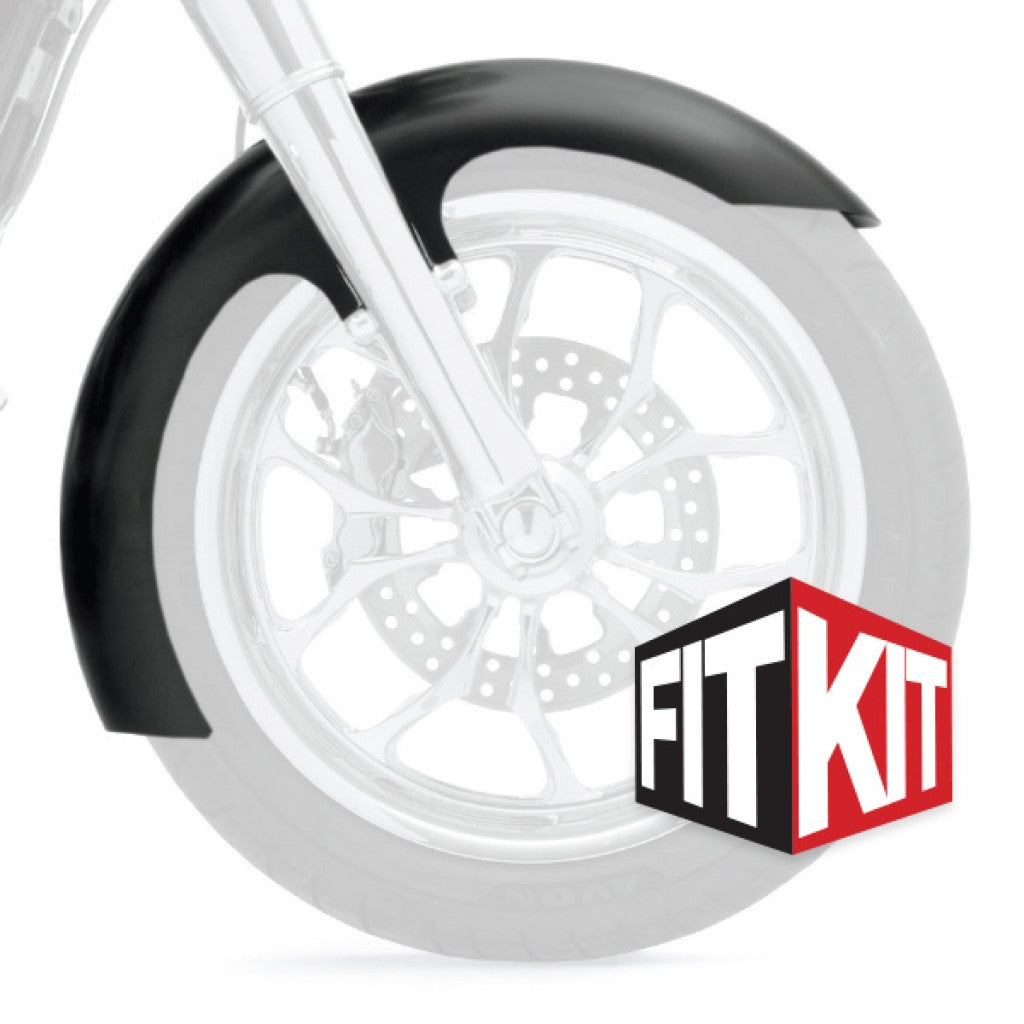
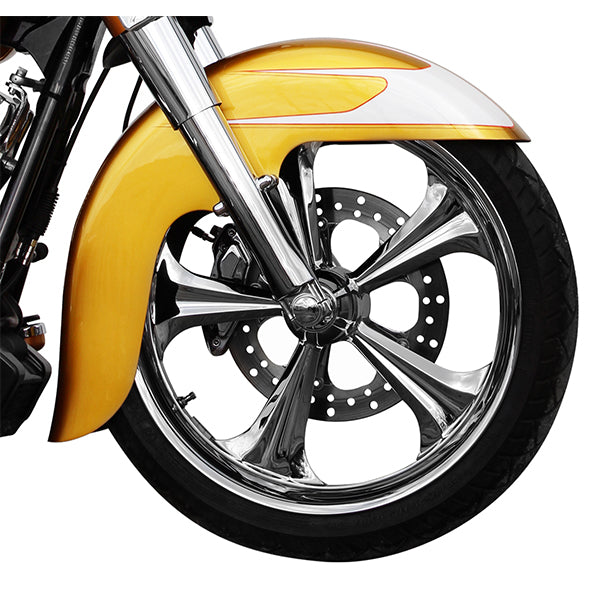
Check out the full Klock Werks Fender Collection

| We extend our deepest gratitude to Greg and Sandy Wick for their consistent support of Klock Werks over the years #MotoFam Click Here to View Full Bike Gallery |
What Did It Take to Build the Benchmark Bagger From Scratch?
The undertaking was extensive in every sense of the word. This was an era before online parts ordering made fabrication faster and more accessible. Everything the Krew needed, they had to make themselves. The front fender, rear fender, saddlebags, filler panels, gas tank, full exhaust system, and dash were either crafted from scratch or extensively modified by hand. The frame itself underwent meticulous smoothing and modification to achieve the clean, flowing profile the team was after.
How Did the Krew Fabricate Parts Before Stamping Tools Existed?
"Before investing in stamping tooling for our fenders and other sheet metal parts, we had to painstakingly shape and fabricate them by hand," recalled Dan Cheeseman. "That was our daily routine: shaping, welding, and refining."
That process was slow, physical, and unforgiving. Sheet metal does not lie. Every imperfection in a weld or a hammer stroke shows up under primer, and the Krew's standard from day one was a finish that required minimal additional bodywork from the customer. So they shaped, checked, refined, and shaped again until the panels met that standard.
As Brian and the Krew traveled with the bike, they encountered the same question repeatedly at shows and events: are those parts for sale? Initially, Brian was hesitant. Over time, the answer became obvious. The Benchmark Bagger was not just a custom build. It was a proof of concept for a product line. That realization changed the direction of Klock Werks permanently.

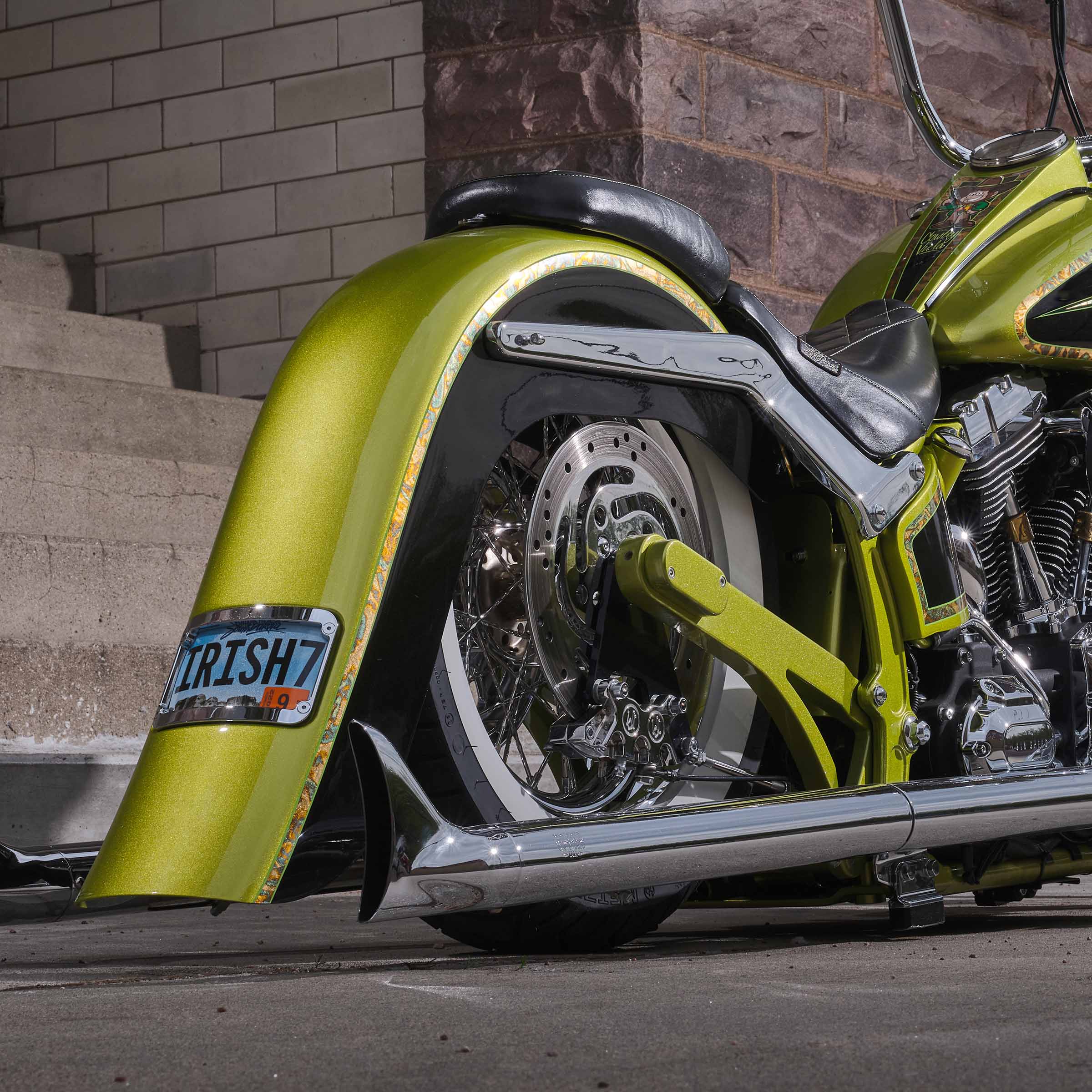
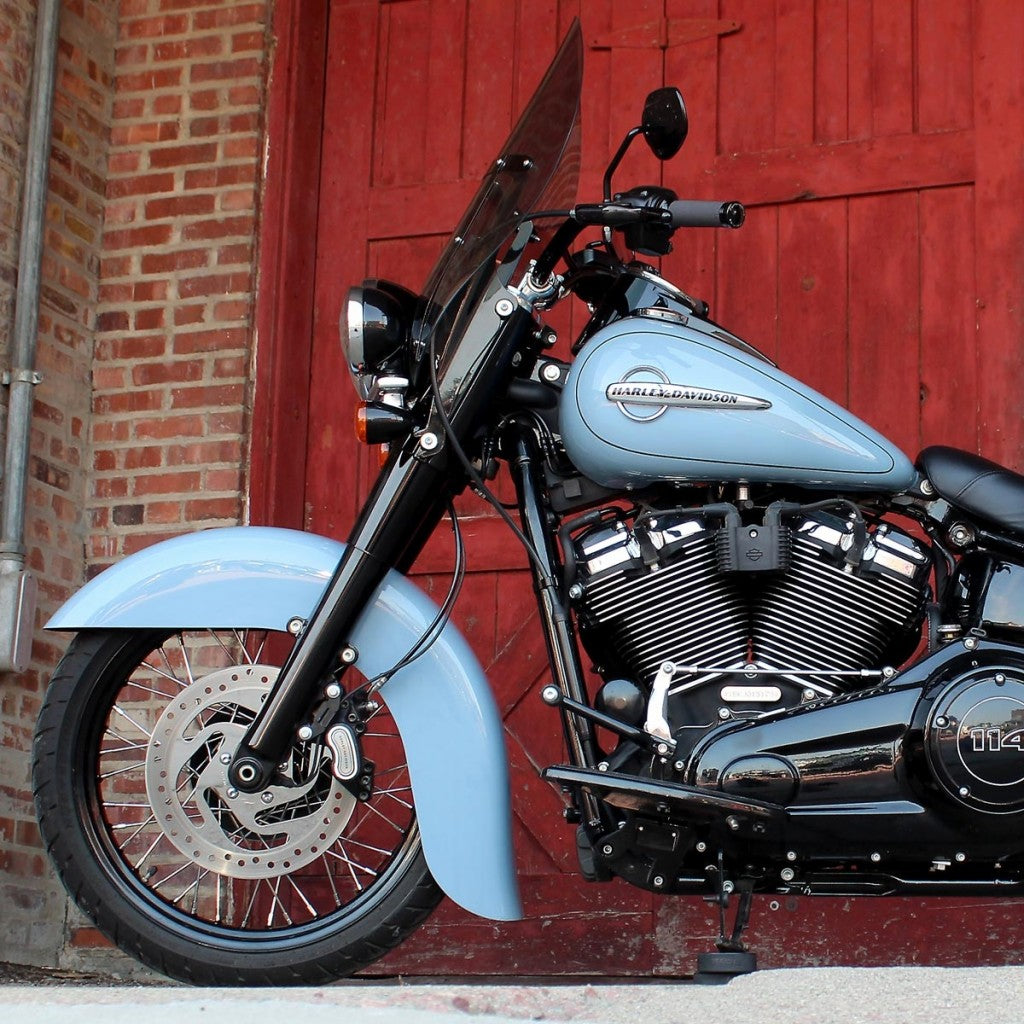
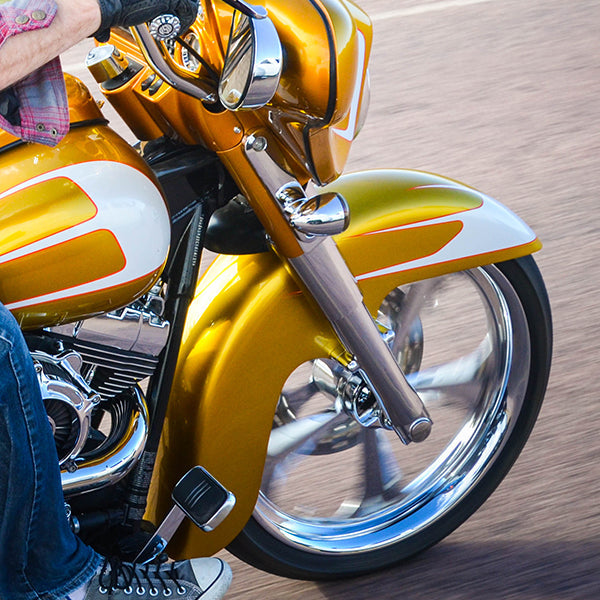
| 2013 Street Glide "Purple Haze" with Benchmark Fenders - Owner Greg Wick |
What Makes the Benchmark Fenders Different From Every Other Option on the Market?
The Benchmark Front and Rear Fenders were the shop's first foray into fender creation and sales, and Brian Klock was determined to enter the market with something that could not be dismissed. That meant committing to materials and manufacturing processes that most aftermarket fender makers were not willing to invest in.
Why Does 14-Gauge Steel Matter for Motorcycle Fender Quality?
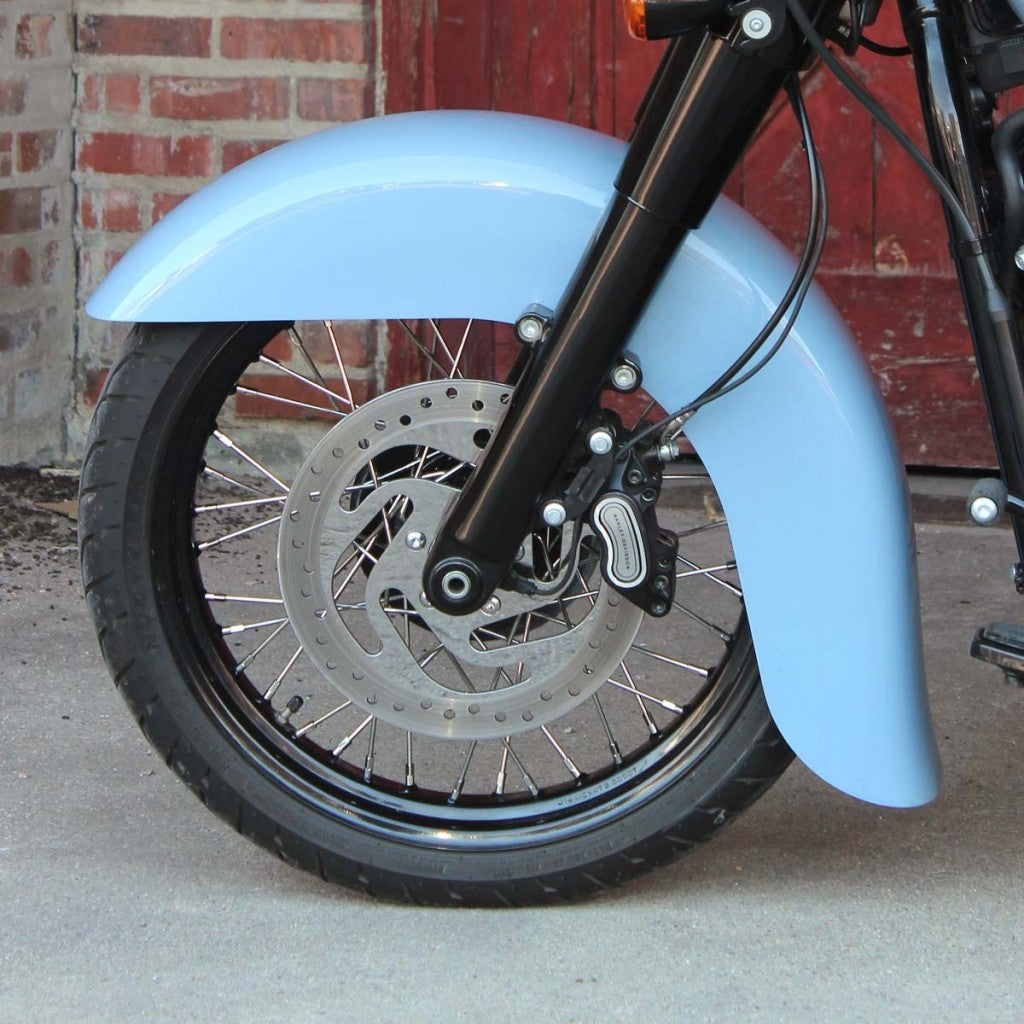
The initial Benchmark fenders were crafted from 14-gauge steel using precise, deep-draw stamping technology. This matters for two reasons. First, 14-gauge steel is significantly thicker and stronger than the thinner materials used in most aftermarket fenders, giving the finished part a weight and rigidity that communicates quality the moment you pick it up. Second, deep-draw stamping technology produces a consistently smooth and flawless surface across the entire panel rather than the high and low spots that hand-formed or cheaper stamped parts carry. The goal was simple: minimize the bodywork a customer needs to do before paint.
What Is E-Coat and Why Does Klock Werks Apply It to Every Fender?
To further enhance durability, an electrostatic coating known as e-coat is applied to every fender before it ships. E-coat is a rust and corrosion inhibitor applied through an electrochemical process that bonds the coating uniformly to every surface of the metal, including recesses and edges that a brush or spray gun cannot reach consistently. Combined with the direct bolt-on fitment engineered into every Benchmark fender, this process is why these parts have earned a reputation for exceptional quality and long-term strength. After thousands of miles of riding and years of exposure to road salt, rain, and UV, the finish holds.
How Has the Klock Werks Fender Line Grown Since the Benchmark Bagger?
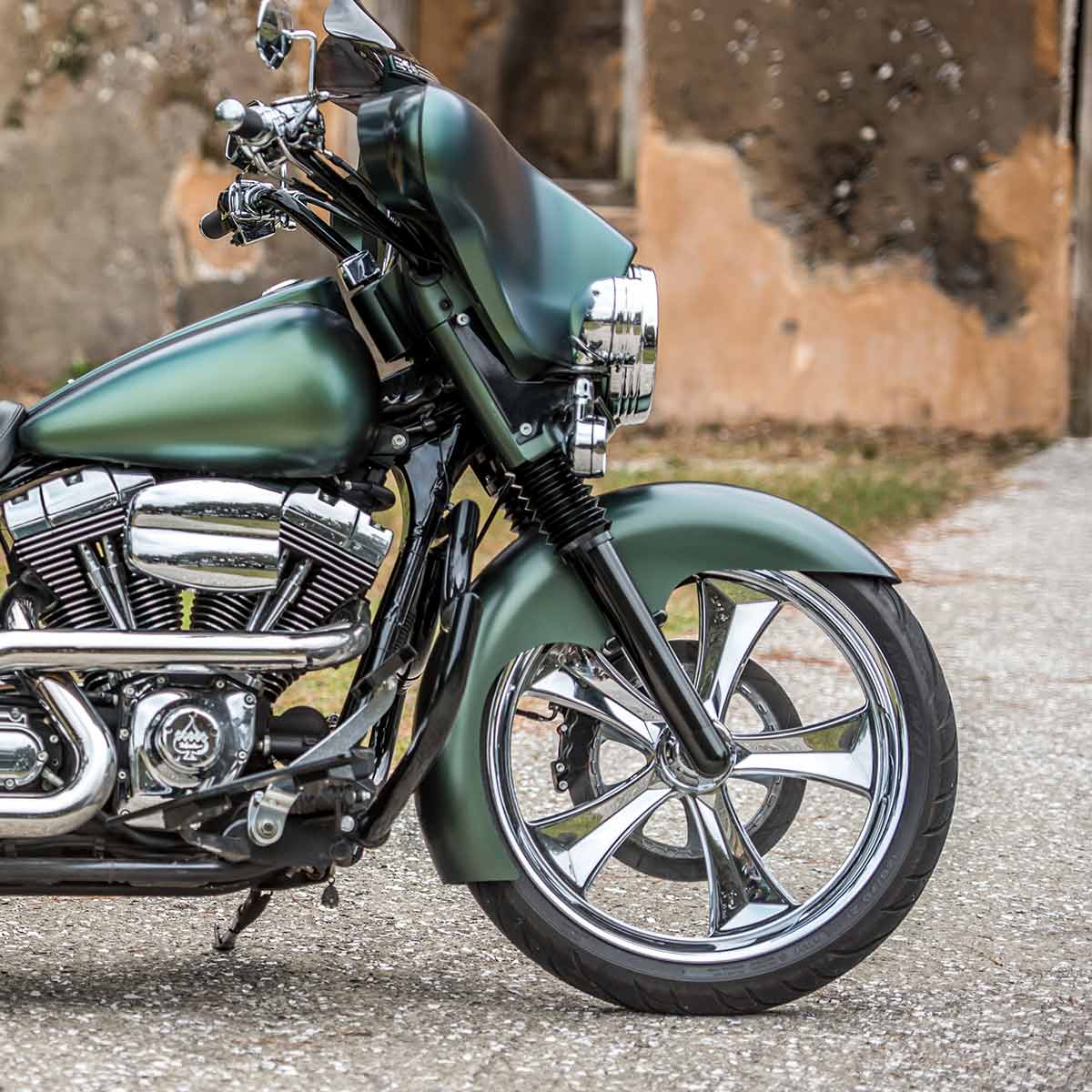
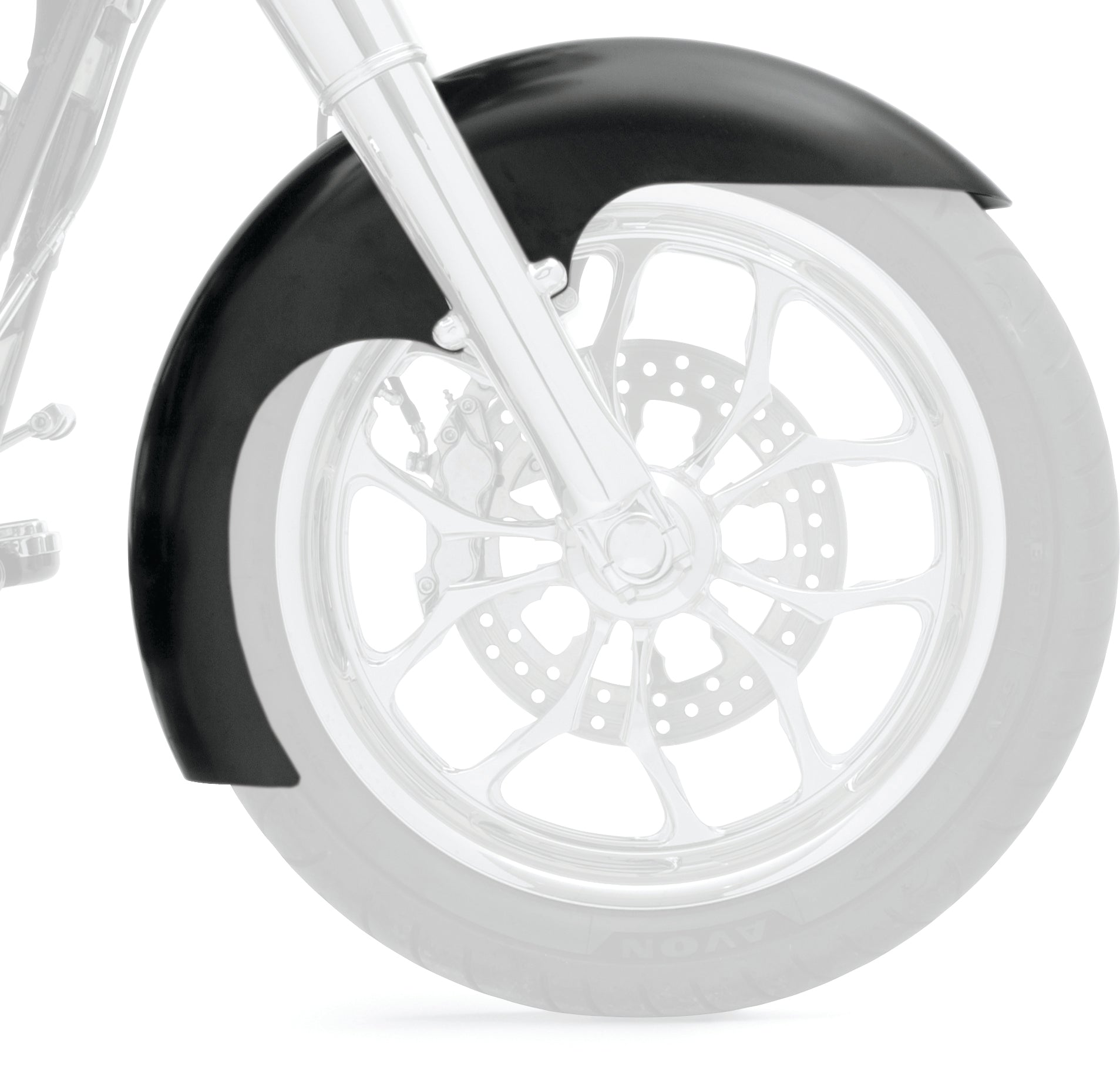
Two decades of refinement, rider feedback, and relentless product development have transformed that single original fender design into an impressive and expanding lineup. Klock Werks now offers fenders meticulously tailored to fit a wide range of models, each engineered to the same 14-gauge steel and e-coat standard established on the Benchmark build.
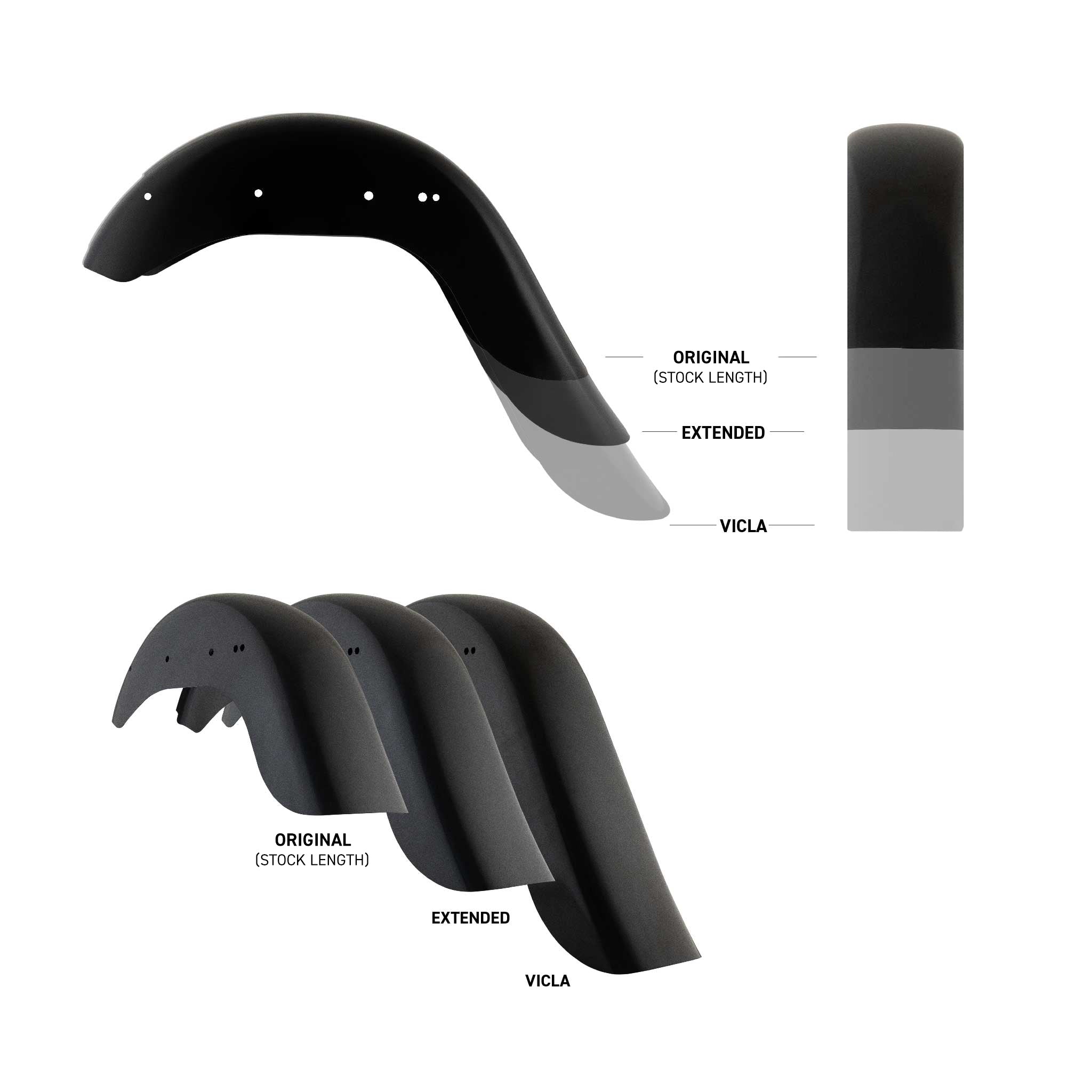
The size range has expanded significantly. Riders can choose from stock length up through extended options at 6 and 9 inches, accommodating larger tire sizes without compromise to fit or finish. The lineup has also grown to include Vicla style fenders for builders working in a club-style or traditional lowrider-influenced aesthetic, adding another dimension to what Klock Werks can offer riders who want their build to stand out from every other bagger on the road.
The philosophy behind every fender in the catalog remains unchanged from that first Benchmark build. Consistent, flawless stamping. Corrosion-resistant e-coat. Precise fitment for direct bolt-on installation. We make it quality. You make it Kustom.

| "We make it quality, you make it Kustom!" |
What Does the Benchmark Bagger Mean for Klock Werks Today?
As the shop reflects on the journey that began in Mitchell, SD in 2003, the distance traveled is remarkable. What Brian Klock, Dan Cheeseman, Chris Weber, Tim Wagner, and James Mayer conceived as a bold experiment in an unexplored category of customization became the spark for a fender line that still thrives more than 28 years later.
The Benchmark Bagger was not just the first full custom touring build the Krew attempted. It was the moment Klock Werks discovered that the parts they were making for themselves were exactly the parts riders across the country had been waiting for. Every fender that ships from the Mitchell shop today carries that origin story in its steel.
People Also Ask
What is the Klock Werks Benchmark Bagger and why does it matter?
The Benchmark Bagger was a full custom touring motorcycle built by Brian Klock and the Klock Werks Krew in 2003 in Mitchell, SD. It was one of the first builds of its kind at a time when the customization industry was focused almost entirely on Softails, FXRs, and Sportsters. Every major component was hand-fabricated from scratch, including the front and rear fenders, saddlebags, gas tank, exhaust, and dash. The build became the direct origin point of the Klock Werks fender line, which remains in production more than 28 years later.
Why does Klock Werks use 14-gauge steel for motorcycle fenders?
14-gauge steel is thicker and more structurally rigid than the materials used in most aftermarket fenders. Combined with deep-draw stamping technology, it produces a consistently smooth surface finish that minimizes the bodywork a rider needs to do before paint. The result is a fender that feels and performs like a quality OEM part rather than a thin aftermarket panel that flexes under pressure or requires significant finishing work before it is ready to install.
What is e-coat and how does it protect a motorcycle fender?
E-coat, short for electrostatic coating, is an anti-rust and corrosion-resistant primer applied through an electrochemical process. The process bonds the coating uniformly to every surface of the metal panel, including edges and recesses that conventional spray application cannot reach consistently. Klock Werks applies e-coat to every fender before it ships, which is a primary reason these fenders hold up under years of road salt, rain, and UV exposure without the corrosion that compromises lesser aftermarket parts.
What fender sizes does Klock Werks offer for touring motorcycles?
Klock Werks offers fenders in stock length as well as extended options at 6 and 9 inches over stock, allowing riders to run larger tire sizes without sacrificing fit or finish quality. The lineup covers a wide range of touring models and includes both the original Benchmark style and Vicla style fenders for riders building in a club-style or traditional aesthetic. Every size is stamped from 14-gauge steel with the same deep-draw process and e-coat finish as the original Benchmark fenders.
How did the Klock Werks fender line get started?
The fender line grew directly out of the Benchmark Bagger build in 2003. As Brian Klock and the Krew traveled with the finished bike, they were repeatedly asked whether the hand-fabricated parts were available for sale. That rider demand made it clear there was a market for high-quality custom touring fenders that did not yet exist at scale. Klock Werks responded by investing in 14-gauge steel stamping tooling and deep-draw technology to produce those fenders consistently, and the Benchmark Front and Rear Fenders became the shop's first commercial fender products.