Why Does Your Stock Windshield Cause Buffeting and Helmet Buzz?
Every stock windshield is a compromise. It's molded to fit an "average" rider on an average bike, which means it's rarely shaped for your riding position, your speed, or the miles you actually put on. At highway speed, a flat or undersized shield lets air pile up behind it and roll back down into the cockpit. This is what we refer to as 'turbulant air' or what causes helmet lift, ringing ears, and the neck fatigue riders describe as getting worn out on long rides.
It's not a comfort issue only. That same turbulence is aerodynamic lift acting on your front end, and lift makes a bike feel light and vague right when you need it planted like merging, passing, or riding through crosswinds. If you've already confirmed your stock shield isn't cutting it, you can shop the full Flare® Windshield collection to see options by bike, size, and finish. For everyone else, here's the airflow problem in more detail, and how we solved it.

How Does the Flare® Windshield Actually Stop Turbulence?
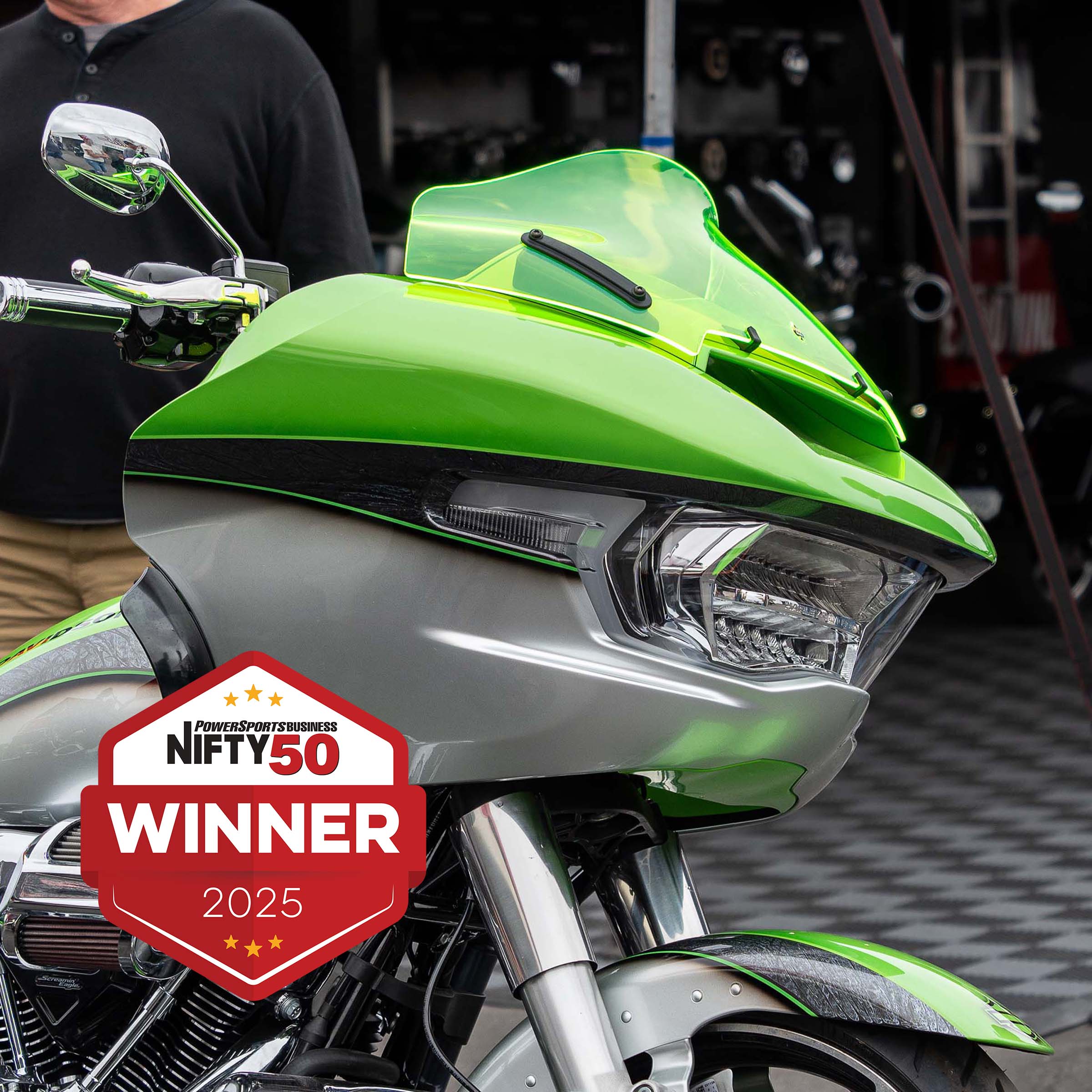
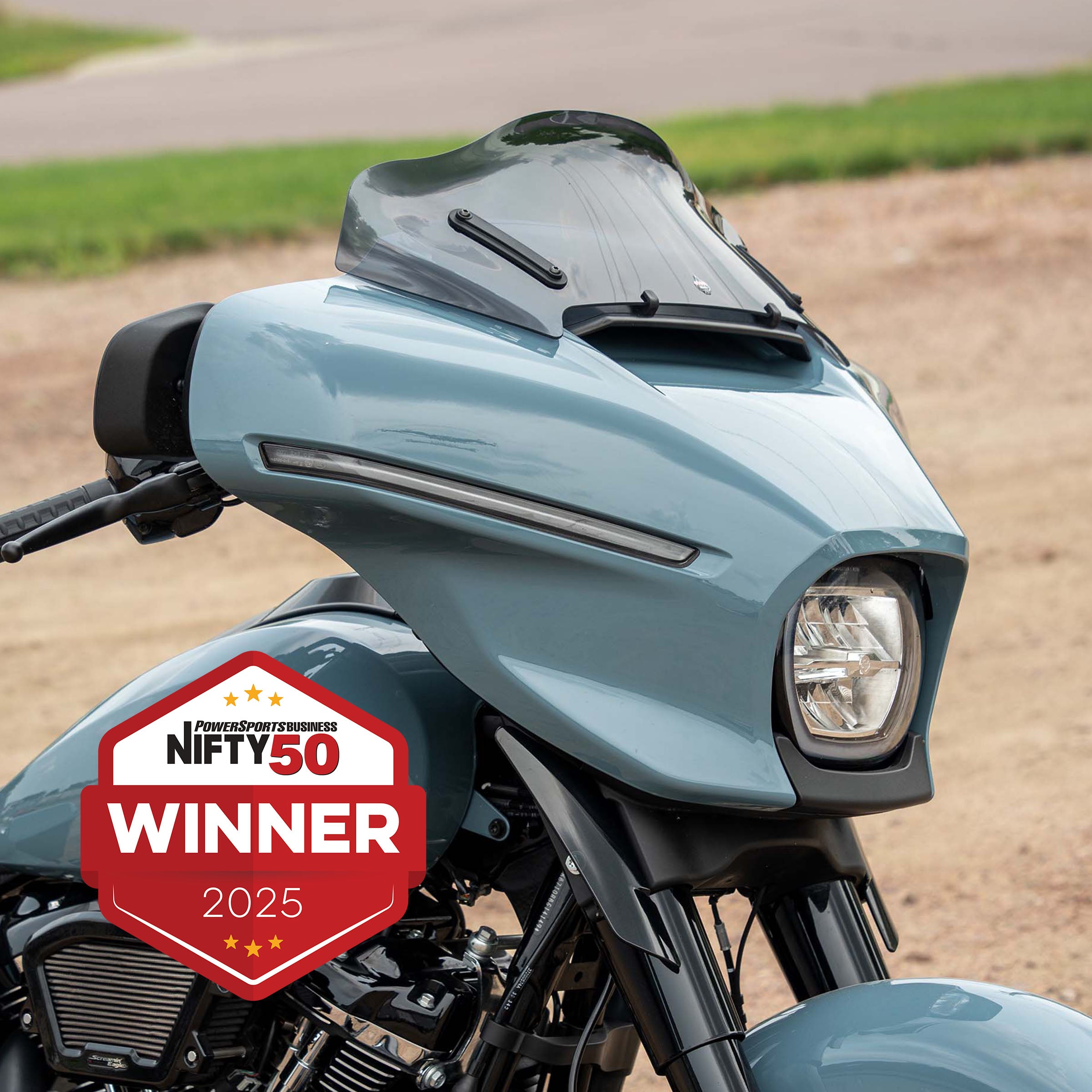
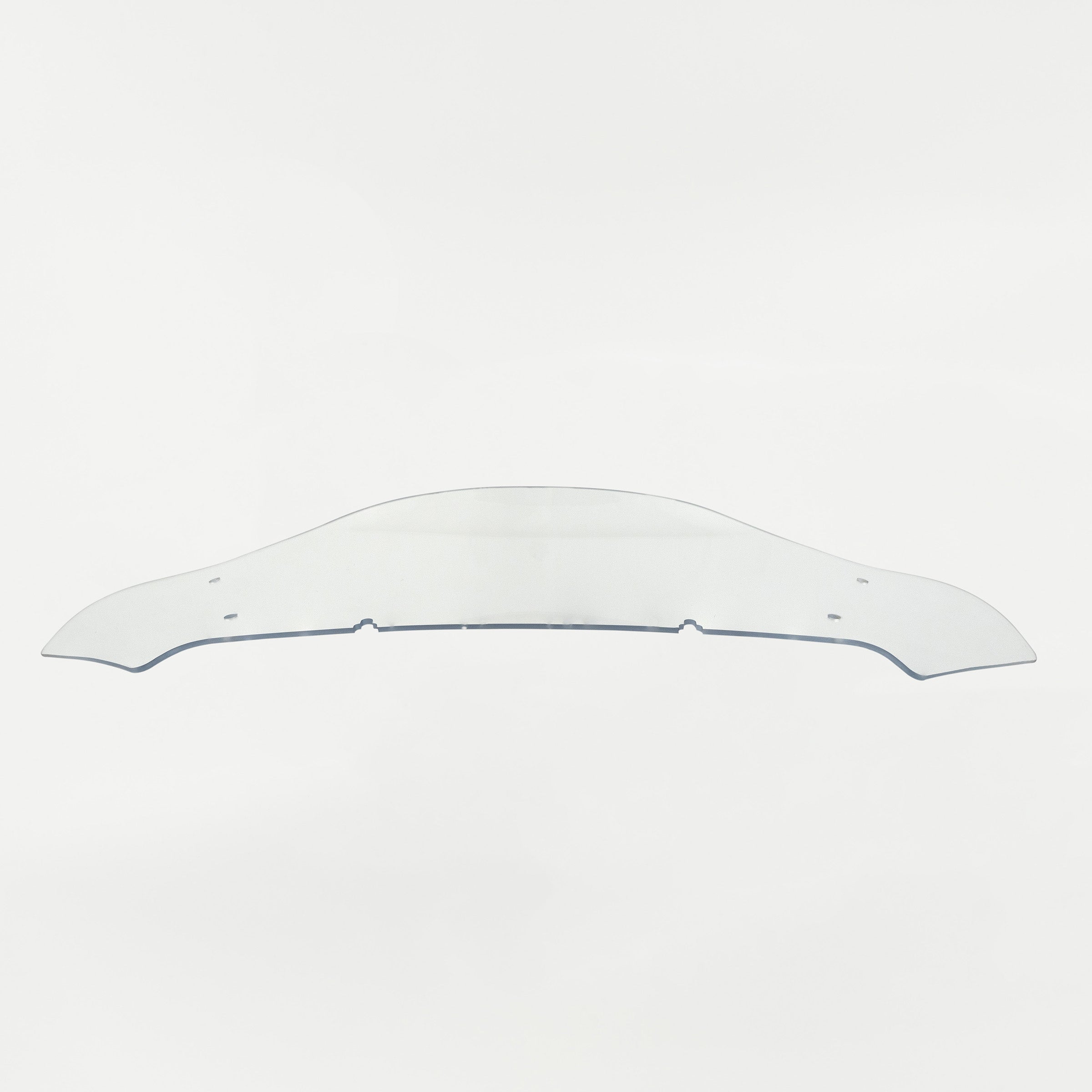
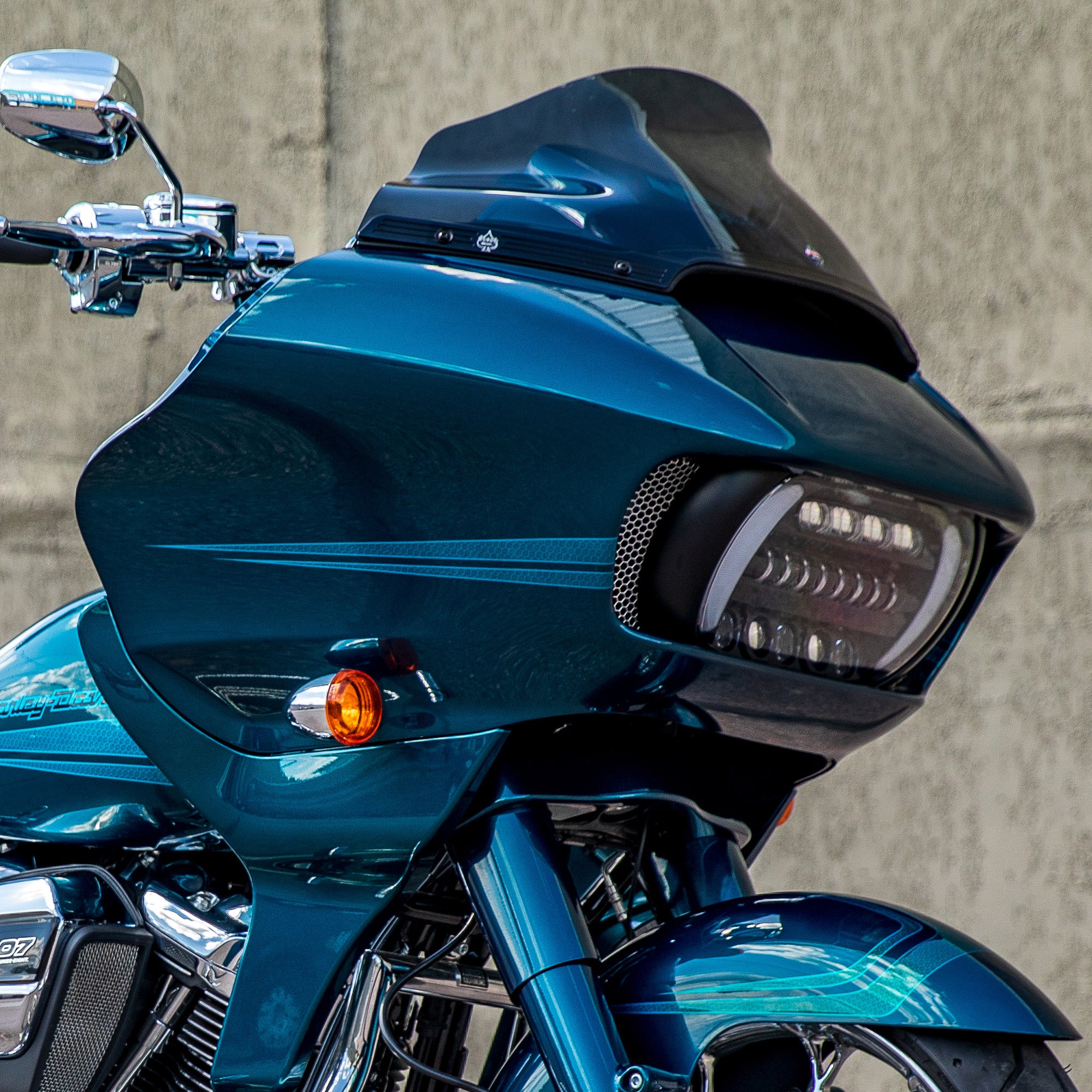
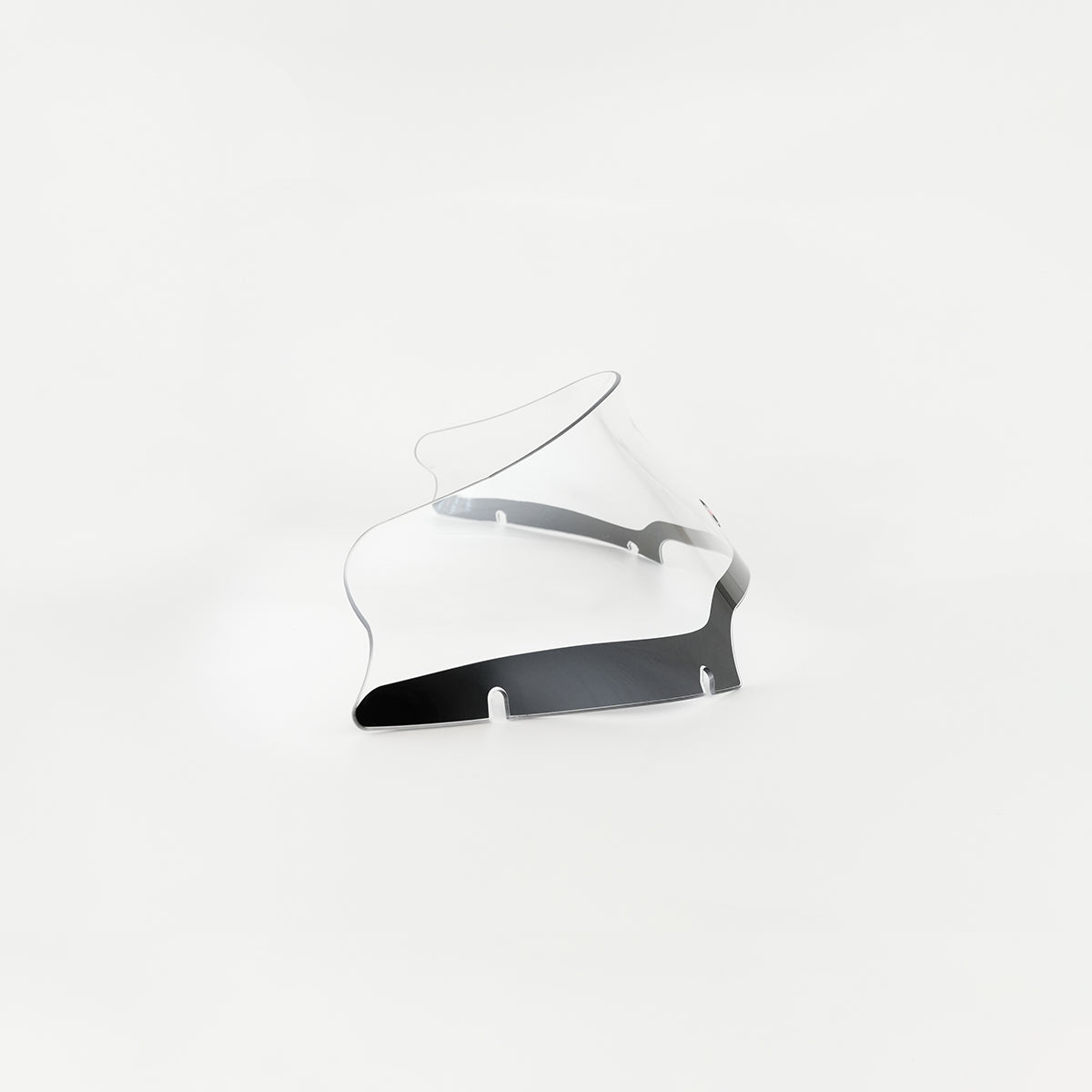
The Flare® isn't a bigger piece of plastic bolted higher on your fairing. It's the specific and intentional engineering feat of two design elements working together changing how air behaves around the rider instead of just standing in its way.
What Is the "Flip" Doing to the Airflow?
The flip at the top of the shield is angled to kick oncoming air up and back over the rider's helmet, instead of letting it curl down into the pocket between the shield and the rider. That upward kick is what creates the "dead air" zone riders feel immediately translating into a quieter helmet, less buffeting, and a clear line of sight because the shield is built to be looked over, not through.
Why Do the "Hips" Matter for Stability?
At the outer edges, the Flare® flares outward (hence the name) into two "hips" that act like a V-plow. Instead of air pushing straight back at the rider and passenger, the hips route it outward and hold it there until it's well behind the bike. After thousands of miles of testing, this detail separates the Flare® from generic flip shields: it doesn't just quiet the ride, it changes the pressure on the front end.
In A2 Wind Tunnel testing, a stock bike showed up to 30 lbs of aerodynamic lift at highway speed. With a properly sized Flare® installed, that lift converts into roughly 15 lbs of controllable downforce instead. That swing from lift working against you to downforce working for you is why riders describe the Flare® as making a bike feel "planted" rather than just "quieter."

Where Did the Flare® Windshield Come From?
The Flare® wasn't designed in a CAD program chasing a trend or knocking off someone else's design. It's original and came out of a real problem on the salt.
In 2006, Klock Werks won Discovery Channel's Biker Build-Off with the first performance bagger ever entered in the series, which we might add was a bold call at a time when the custom world was all choppers and show bikes, not touring platforms built to go fast. That win sent the bike, the krew and Brian Klock, to the Bonneville Salt Flats to chase land speed records.
The first season of salt racing, the bike ran a stock windshield, and the team realized it hitting an aerodynamic wall well before it hit the bike's actual limit. Brian's fix started as literally sticking his arm out the window at speed to feel how the air was moving and where it needed to go. That hands-on read on airflow became the "Flip" and "Hips" patented design. With it installed, the bike went back to the salt and set land speed records, earning its name: the World's Fastest Bagger. Brian Klock is now a Sturgis Motorcycle Hall of Fame inductee and is recognized as the King of the Baggers and the Flare® is the direct result of what it took to get there.

How Do You Pick the Right Flare® Height for Your Bike?
This is the question we get the most, and there's no shortcut answer, because there's no universal height chart. The right air mangagement experience depends on the getting the right height of windshield. The right size depends on your riding position or how tall you are, how you sit, where your eyes naturally land not just your bike's model.
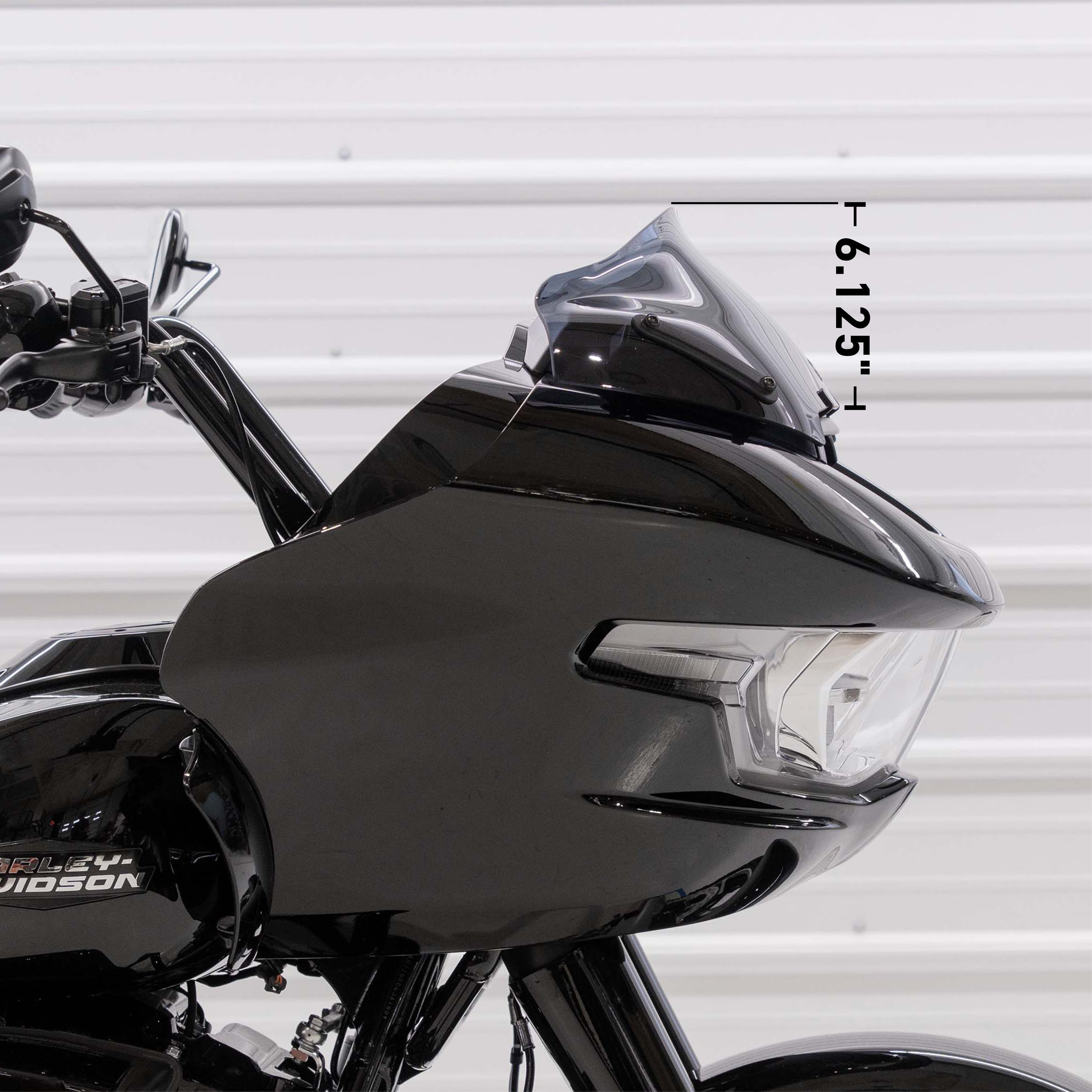
Our guidance: pick a size you can comfortably look over while seated in your actual riding position, not through. Sized correctly, the flip sits just below your natural sightline. Most Harley-Davidson® touring models are available across two families: "Sport" (shorter, closer to stock height, better for a sportier stance) and "Pro-Touring" (taller, more coverage for long-distance riders), with individual height options inside each family, commonly running 4" to 12" depending on the model. Height variations are available for almost all makes and models the Flare® Windshield has a fitment for, allowing riders to get the shield in that goldilocks zone.
Because what works for your riding buddy might not work for you, we offer a free downloadable height-fitting guide and video, and recommend fitting with a second person to double-check your sightline before you order. Where a dealer offers our "Try It Before You Buy It" program, customers are able to demo a Flare® Windshield sitting on the bike with the actual shield mounted and then take it out for a test ride. We have found this to be the fastest way to settle between two sizes and ensure you find the right height the first time.
Which Motorcycles Does the Flare® Fit?
Flare® Windshields are built model-specific and often model-year-specific, so confirm fitment before you order rather than assuming a shield built for one year fits the next.
Current fitments include:
- Harley-Davidson®: Street Glide, Road Glide, Low Rider ST, Softail, Road King, Sportster, Dyna/FXR, Pan America, Fat Boy/Heritage, Ultra/Electra Glide, Freewheeler, Road Glide 3 Trike, Tri Glide, Sport Glide
- Indian®: Challenger and Pursuit, Scout, Chieftain (including PowerPlus), Roadmaster (including PowerPlus), Springfield, Chief, Chief Classic/Vintage — see the full Indian® Flare® Windshield lineup
- BMW®: R18, R1200RT, R1250RT, and K1600
- Honda®: Gold Wing, F6B
- Select Kawasaki®, Yamaha®, Victory®, and Polaris Slingshot® models
Model-year matters more than most riders expect because commonly a fairing that changes shape between generations (like the 2023.5+ Road Glide) needs a Flare® built for that specific fairing, not the one that fit last year's bike.
What Is the Flare® Made From, and How Is It Finished?
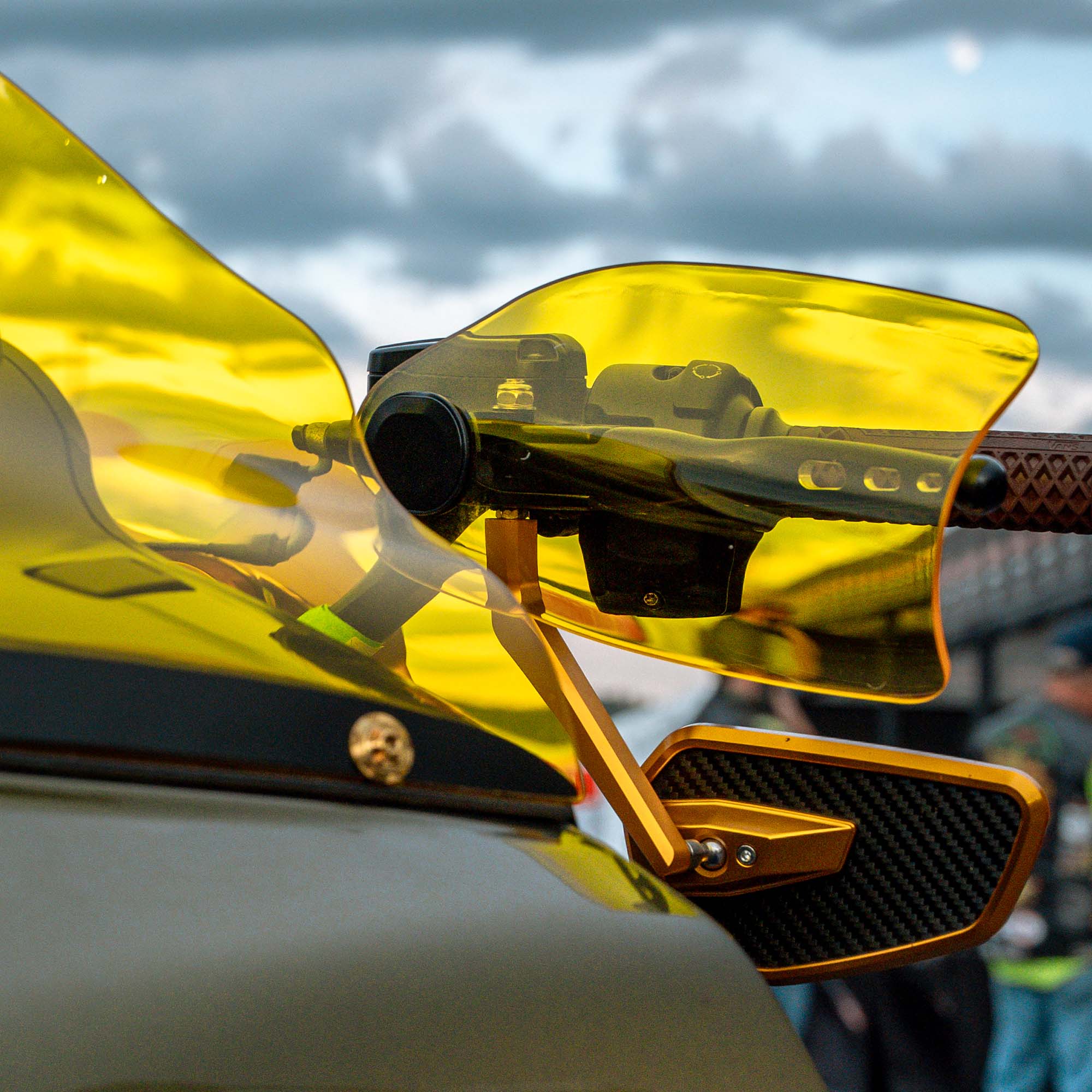
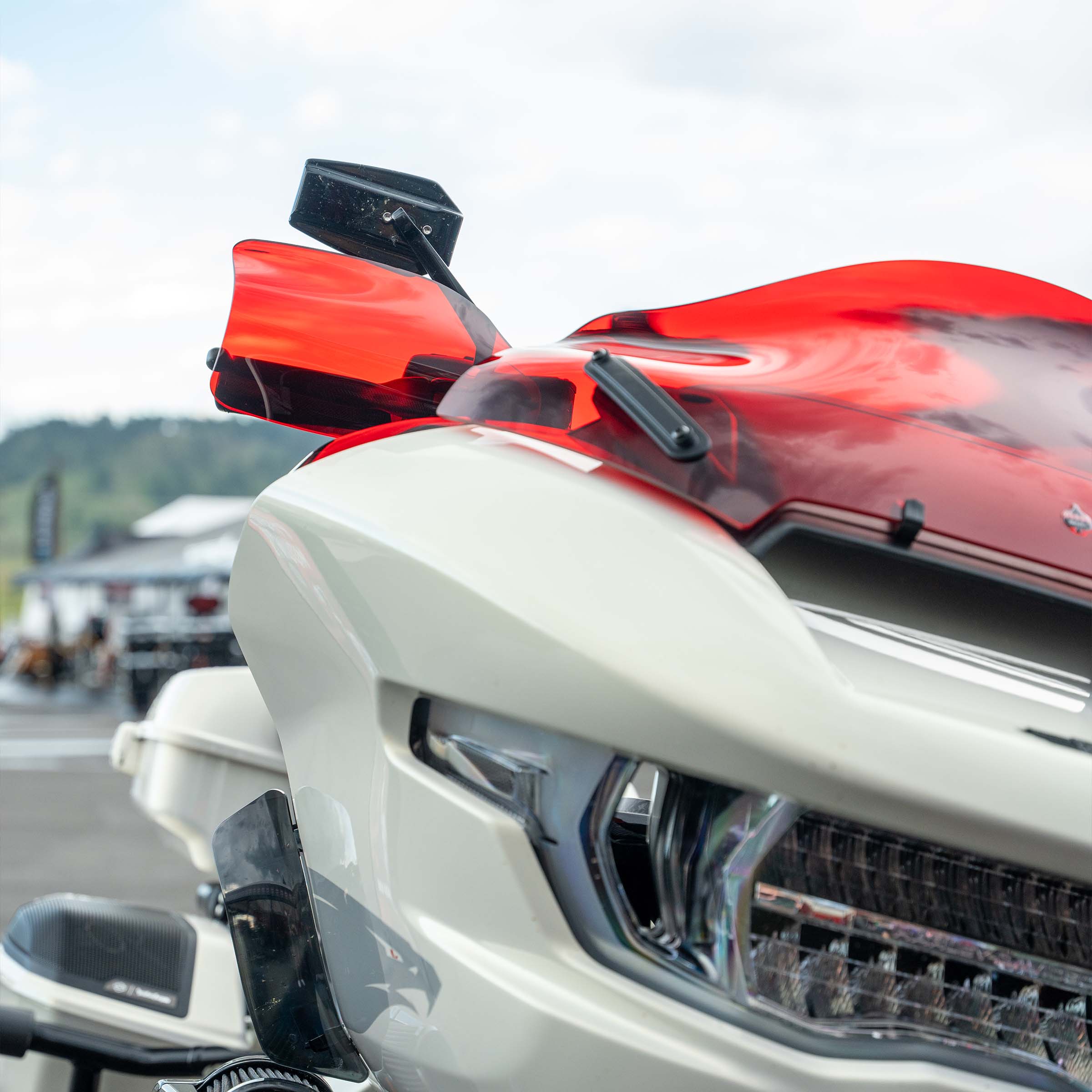
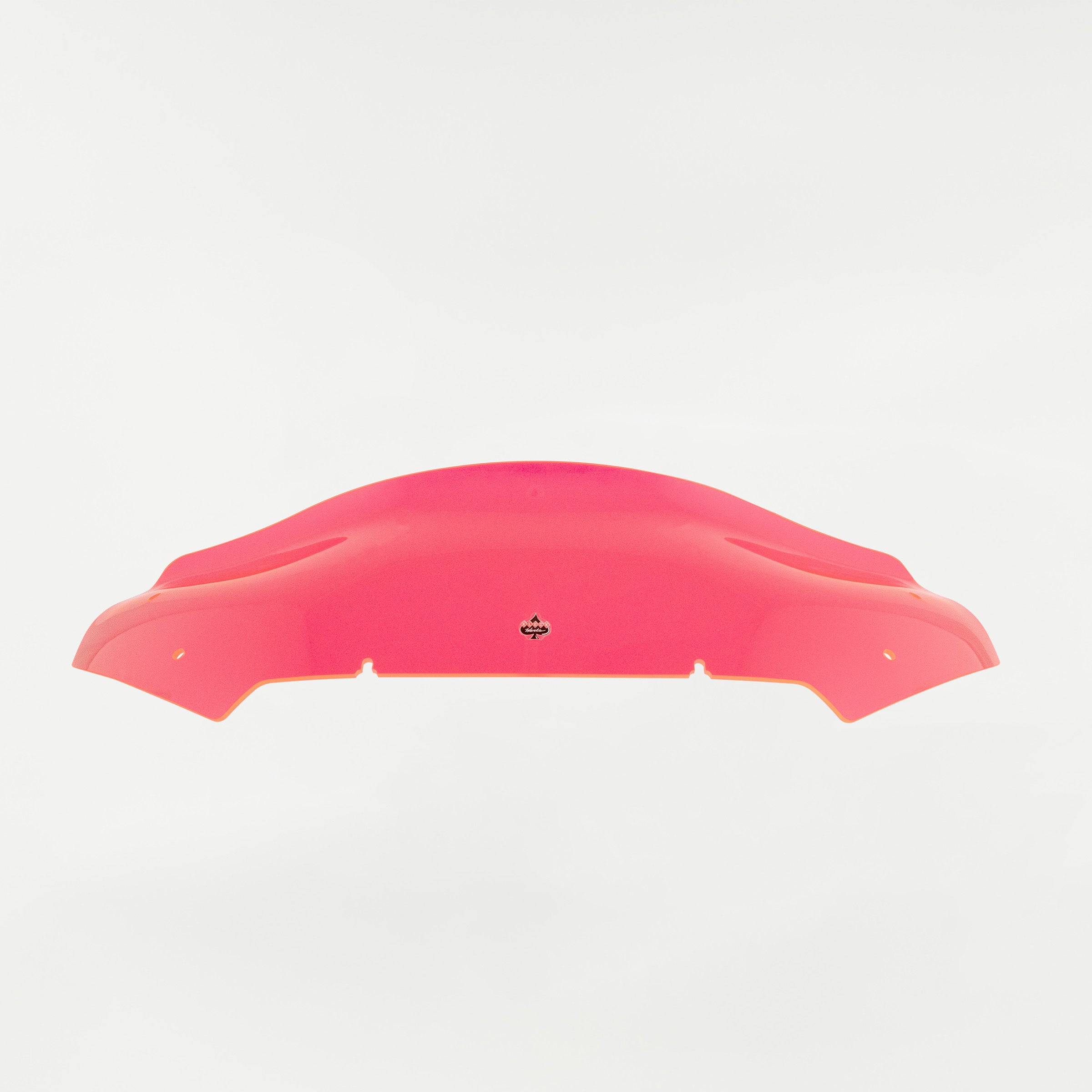
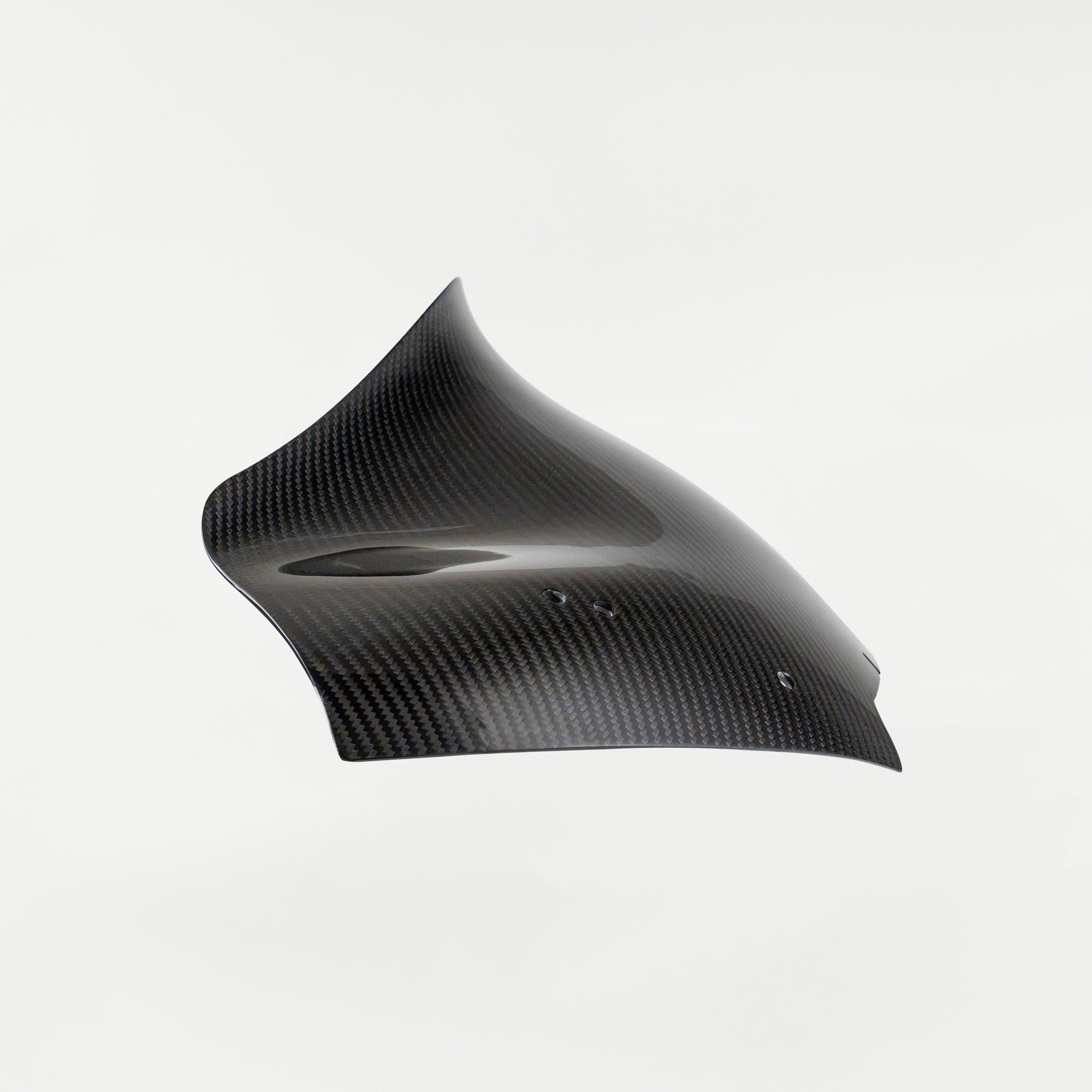
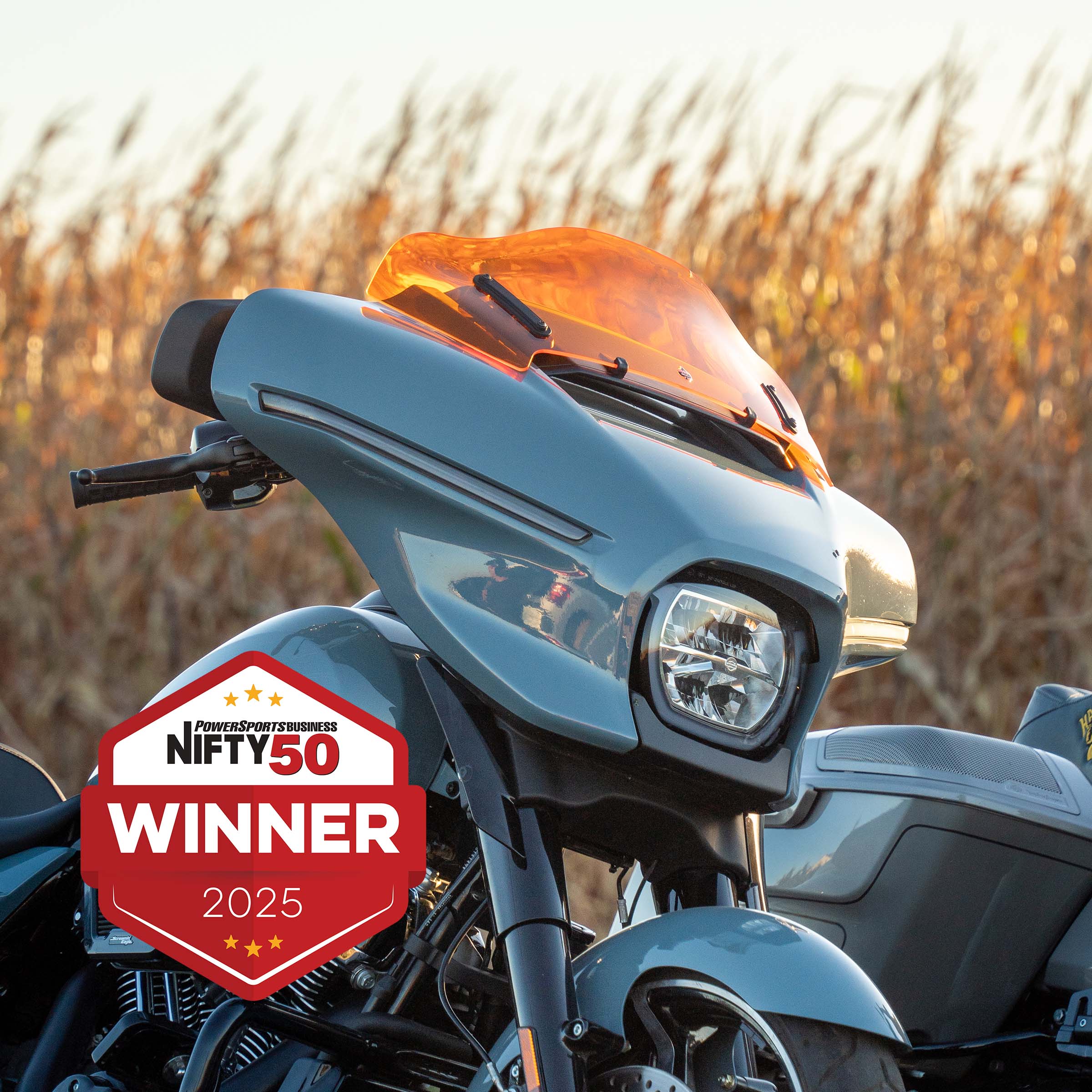
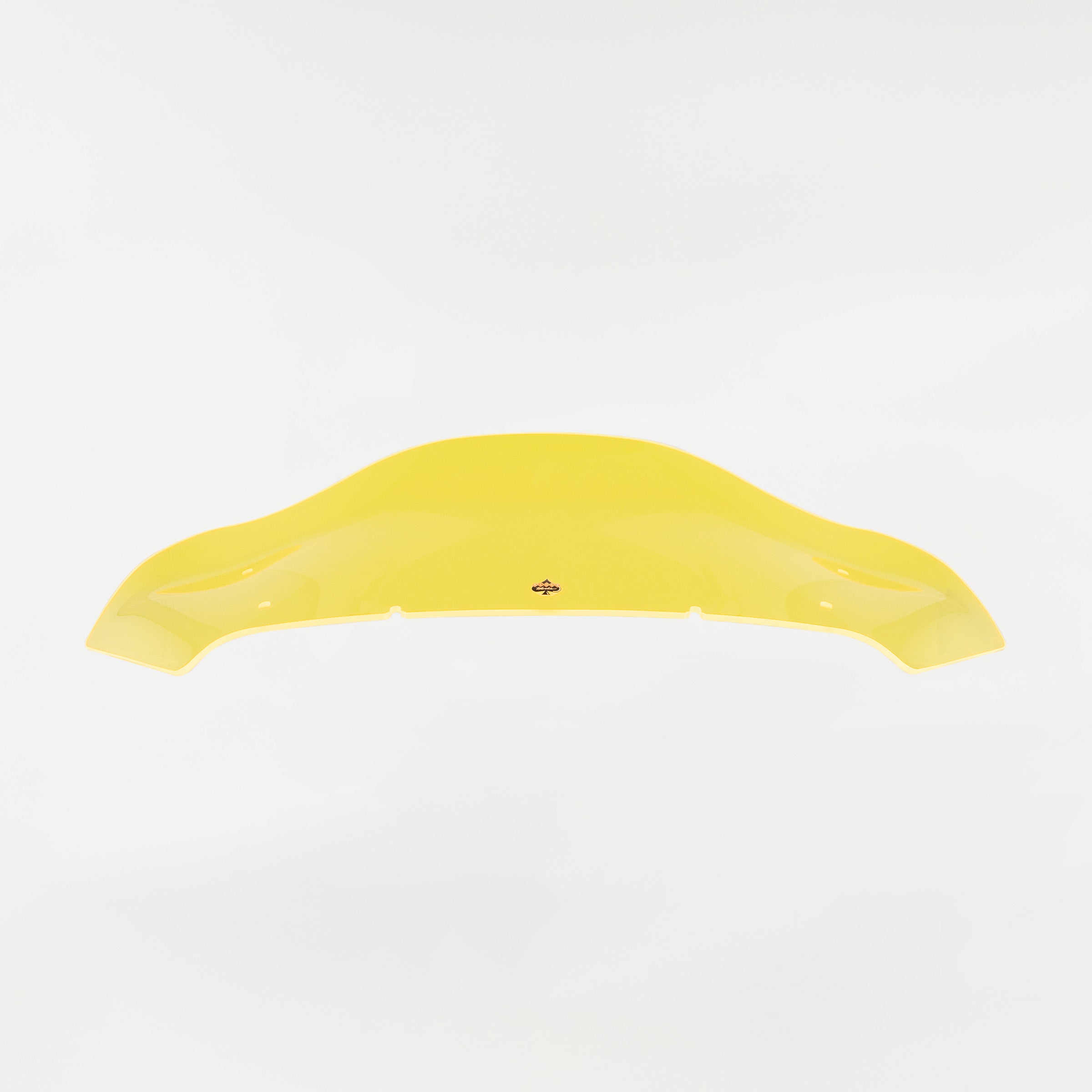
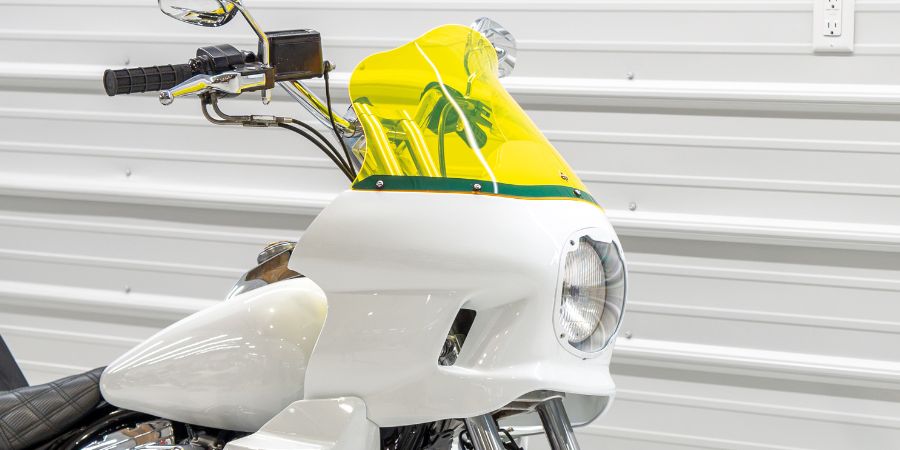
Standard clear and tinted Flare® Windshields are molded from Lexan polycarbonate with an FMR-hard-coating for scratch resistance. This material is built to hold up to bug strikes, road grit, and years of sun without clouding. The Kolor and Ice series (green ice, red, blue, orange, yellow ice, pink ice, and more) are cast from acrylic instead, chosen specifically for optical clarity and better resistance to heat distortion than polycarbonate in solid colors.
Dark Smoke and Solid Black finishes exist, but they're worth a second thought if you're on the shorter end of the sizing range: a solid finish blocks vision through the shield completely, so it only works when the Flare® is sized to be looked over. Tint darkness is also regulated state by state, so check local law before choosing a darker tint if you ride across state lines regularly.
This attention to detail, style, function and discipline is the same standard we hold across every part that leaves our shop in small town Mitchell, South Dakota. Our fenders, for example, are laser-cut and cold-stamped from 14-gauge steel and e-coated for corrosion resistance before they ever reach a customer. Different material, same rule: build it to the spec that survives real miles, not just for sitting in a showroom.
What Do Real Riders Ask Before Buying a Flare®?
Q: Will it fit my fairing pouch?
A: On Road Glide, Street Glide and Electra Glide models, yes the Flare's base follows the factory contour and is compatible with standard three-pocket fairing pouches.
Q: Can I install it myself?
A: Most riders do. The Flare® is built to reuse your bike's stock mounting points, with instructions included, and a dealer can install it if you'd rather hand it off.
Q: Will it hurt my fuel mileage?
A: No. The downforce comes from redirecting airflow more efficiently around the fairing, not from adding drag.
Q: Why does it cost more than a generic flip shield?
A: Because the Flip and Hips geometry is patented and wind-tunnel-verified, not a flat piece of shaped polycarbonate. Flare® Windshields run roughly $150–$380 depending on model, size, and finish, with most falling between $200–$300. Weigh that against replacing a cheaper shield once buffeting or vision problems show up anyway.
Q: Does it actually help with passenger comfort?
A: Yes, and it's one of the top reasons touring riders upgrade. The hips push air outward before it can recirculate onto the passenger, which is the difference riders notice most on multi-hour rides two-up.
How Do You Care for a Flare® Windshield?

Clean with a dedicated plastics cleaner safe for polycarbonate materials and free of aerosol. For example take a gentle clear, we make our own Shine Werks cleaner for this, and a microfiber cloth, or mild soapy water in a pinch. Skip petroleum- or ammonia-based glass cleaners, rain-repellent coatings, and aerosol sprays. What our Krew sees on the lift when a shield comes in for warranty review is almost always the same story: the wrong cleaner dulled, hazed, or hairline-cracked the material over time, and that kind of damage isn't covered under warranty.
What's the Warranty on a Flare® Windshield?
Most Flare® Windshields carry a limited warranty against manufacturing defects. Terms vary by product, so check the specific policy for your model before ordering if that's part of your decision.
Customers are able to return and exchange their Flare® Windshield IF it has not been installed.
This is because installation causes hair-line scratches around the bolt holes which creates a product that we does not meet our standards to turn around and sell to another customer as new.
We ask customers often cover the shipping to return items as well.
Is Klock Werks Legit? The Credentials Behind the Flare®
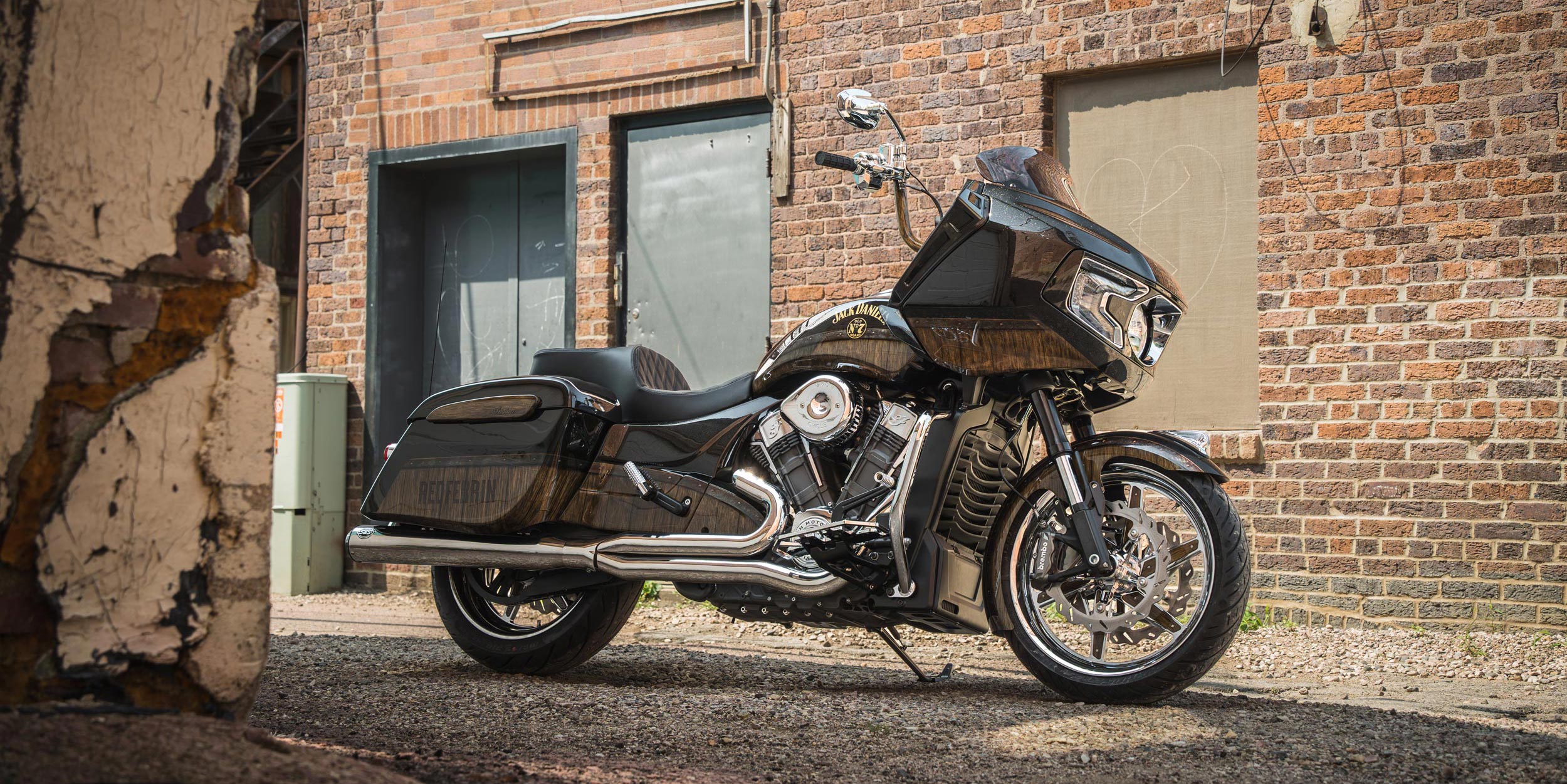
Klock Werks isn't a windshield company that added motorcycles later. It was originally a motorcycle shop in Mitchell, South Dakota that built a windshield because racing demanded it. Founder Brian Klock is a Sturgis Motorcycle Hall of Fame inductee, recognized as the King of the Baggers after the 2006 Biker Build-Off win that started this whole story. That same design leadership is why names like Indian® Motorcycle and Jack Daniel's® have partnered with Klock Werks since 2016 on a run of limited-edition motorcycles which are now collectible builds that routinely sell out. Carry the same attention to airflow, fit, and finish and you get on a Flare® Windshield.
Ready to stop fighting your windshield on the highway? Shop the full Flare® Windshield lineup and use the fitment guide above to find your bike, then dial in your size before you order.

People Also Ask
Q: Does the Flare® Windshield really reduce buffeting?
A: Yes. Buffeting comes from turbulent air recirculating in the pocket behind an undersized or flat shield. The Flare's flip redirects that air up and over the rider before it can recirculate, which is why riders notice less helmet buzz and wind noise almost immediately after installing one sized correctly for their riding position.
Q: What size Flare® Windshield do I need?
A: Size depends on your riding position, not a fixed height chart. Choose a size you can comfortably look over while sitting in your normal riding stance where the flip should sit just below your natural sightline. Klock Werks offers a free height-fitting guide, a fitting video, and a "Try It Before You Buy It" program at participating dealers to help you confirm size before ordering.
Q: Is the Flare® Windshield worth the extra cost over a standard flip shield?
A: For most riders, yes, because the cost difference reflects patented, wind-tunnel-tested technology rather than a flat piece of shaped polycarbonate. In A2 Wind Tunnel testing, the Flare® converted up to 30 lbs of stock aerodynamic lift into roughly 15 lbs of controllable downforce for a stability improvement a generic shield isn't engineered to deliver.
Q: Can I install a Flare® Windshield myself?
A: Yes, in most cases. The Flare® is designed to bolt onto your bike's existing stock mounting points and ships with installation instructions. Riders who prefer not to DIY can have a dealer install it.
Q: Does the Flare® Windshield fit Indian and BMW motorcycles, or only Harley-Davidson?
A: The Flare® fits a wide range of makes, not just Harley-Davidson. Current fitment includes Indian (Challenger, Pursuit, Scout, Chieftain, Roadmaster, Springfield, Chief), BMW (R18, R1200RT, R1250RT, K1600), Honda (Gold Wing, F6B), and select Kawasaki, Yamaha, Victory, and Polaris Slingshot models, in addition to the full Harley-Davidson lineup.